
Troubleshooting Modicon Quantum 140DDO35300 Field Power Loss with Normal 24V External Power
In modern industrial automation systems, discrete output modules control essential field equipment like relays and valves. The Schneider Electric Modicon Quantum 140DDO35300 serves as a 32-point 24VDC sourcing digital output module. However, maintenance engineers often encounter a persistent Field Power Loss alarm while measuring adequate external voltage. Powergear X Automation provides this practical diagnostic guide to identify whether the fault originates from external wiring or internal module sensing circuits.

Understanding the Core Functionality of the 140DDO35300 Output Module
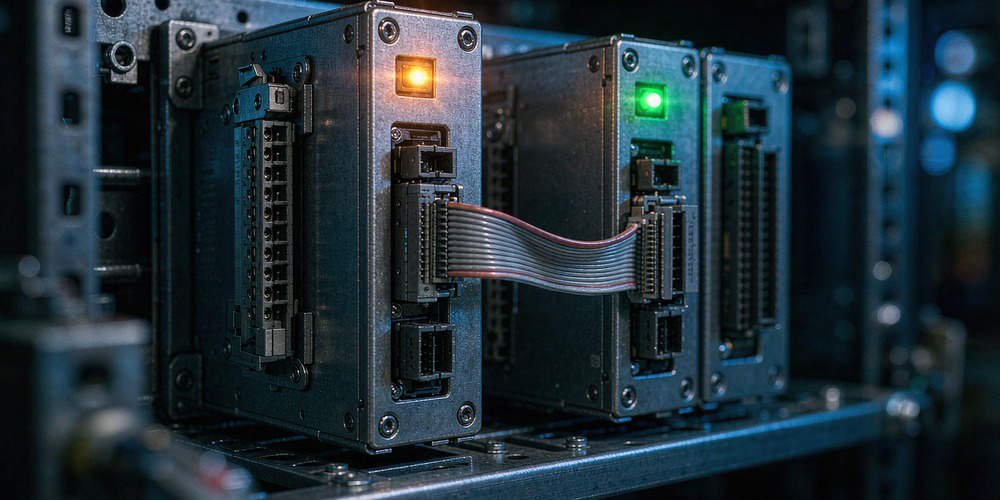
The 140DDO35300 module delivers high-speed switching for PLC and DCS platforms across chemical, energy, and manufacturing sectors. Industrial market reports indicate that legacy PLC platforms still power over 30 percent of active process plants worldwide. This module organizes its 32 sourcing outputs into four distinct groups of eight channels. Each group monitors its own field power supply and internal protective fuses. Therefore, engineers must isolate specific channel groups before assuming complete hardware failure.
Measuring Voltage at the Module Terminals vs. Power Supply Cabinets
A common troubleshooting mistake involves measuring 24VDC output strictly at the main cabinet terminal blocks. The nominal operating voltage for the 140DDO35300 ranges from 19.2VDC to 30VDC. Voltage drops frequently occur across loose terminal connectors, oxidized fuse holders, or damaged field cables. Consequently, a power supply may register 24VDC at the source while delivering under 18VDC to the card. Maintenance teams must measure voltage directly at the module terminal block under active load conditions.
Analyzing the 4×8 Grouped Architecture for Field Power Loss Alerts
The 140DDO35300 module divides its internal diagnostics across four independent 8-point output groups. Each group relies on dedicated group-level fuse protection and voltage monitoring. If a single group reports Field Power Loss, technicians should inspect that group’s specific fuse and field wiring. Conversely, if all four groups fail simultaneously, the issue likely stems from a shared ground return or main backplane power. Systematic group isolation prevents unnecessary module replacements.
Impact of Inductive Load Inrush Current and Response Times
Fast switching response times under 1 millisecond make the 140DDO35300 ideal for demanding factory automation applications. However, driving inductive loads like solenoid valves generates significant back-EMF voltage spikes. Without proper flyback diodes or RC suppressors, these voltage transients degrade the internal sensing circuits over time. Moreover, high inrush currents can weaken group fuses without blowing them completely. Engineers should verify total group load limits during routine preventive maintenance.
Step-by-Step Field Diagnostic Procedure for Alarm Isolation
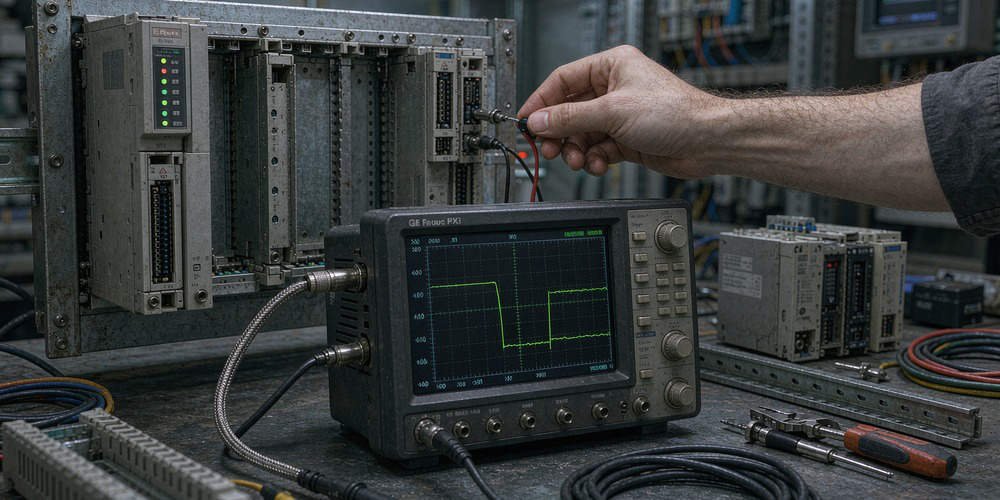
- Check Voltage Under Load: Measure the 24VDC supply directly across the module field terminals while output points are energized.
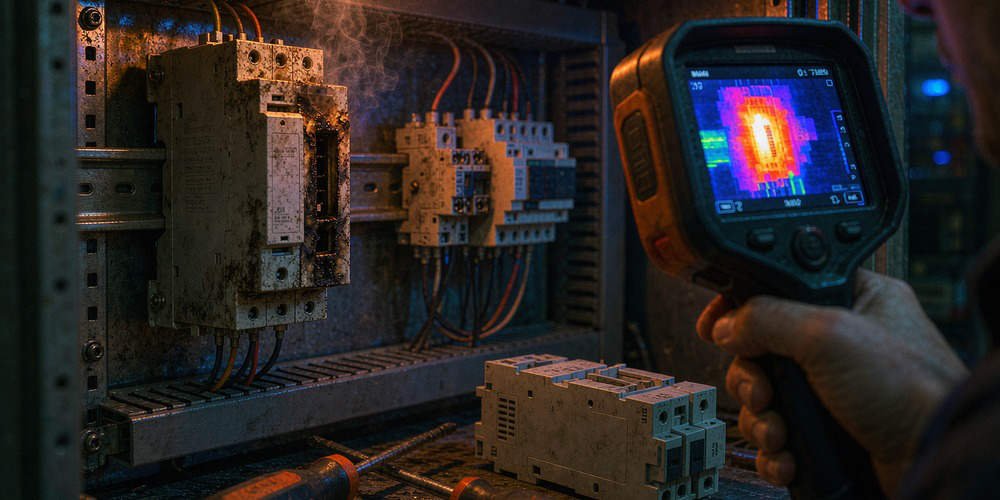
- Test Group Fuses with a Multimeter: Remove power, disconnect field terminals, and test fuse continuity rather than relying on visual inspection.
- Inspect Common Ground Return Lines: Verify that the 0V reference wire exhibits low resistance and secure physical connection.
- Perform Cross-Exchange Testing: Swap the suspect card with a known working 140DDO35300 module to isolate internal sensing faults.
B2B Procurement Considerations and Module Lifecycle Status
Schneider Electric has transitioned the Modicon Quantum series, including the 140DDO35300, toward end-of-commercialization status. Manufacturers often suggest the Modicon X80 BMXDDO3202K as a modern alternative. However, the X80 platform requires different racks, backplanes, and programming software. Direct drop-in replacements demand tested, high-quality 140DDO35300 spare parts to maintain existing control systems without costly retrofits.
Application Scenario: Chemical Plant Valve Control Fault Diagnosis
A continuous chemical processing facility reported a persistent Field Power Loss fault on a Quantum 140DDO35300 card controlling emergency dump valves. The plant technician verified 24.1VDC at the main DC distribution panel. However, the PLC fault LED remained illuminated red, halting the local batching sequence.
Using a systematic diagnostic approach, the maintenance team measured the voltage directly at the module’s removable terminal block. Under load, the voltage dropped to 17.4VDC due to a high-resistance corrosion spot on the group supply wire. Cleaning the terminal contact and replacing a degraded group fuse immediately cleared the Field Power Loss alarm, restoring normal factory operations without replacing the PLC card.
To source reliable, fully tested Modicon Quantum spare parts and expert technical components for your control systems, visit Powergear X Automation to secure your industrial automation supply chain.
Frequently Asked Questions (FAQ)
Q1: Can I replace individual fuses inside the 140DDO35300 module?
Yes. The module features group-level internal fuses. However, you must disconnect field power and remove the terminal connector block before opening the module casing to inspect or replace fuses safely.
Q2: Is the BMXDDO3202K a direct pin-for-pin replacement for the 140DDO35300?
No. While Schneider lists the BMXDDO3202K as a functional replacement, it belongs to the Modicon X80 family. Replacing a Quantum module with X80 hardware requires new racks, wiring adapters, and PLC configuration updates.
Q3: Why does my multimeter read 24VDC at the terminal block, but the Field Power Loss light stays on?
This condition usually indicates an open group fuse, an ungrounded 0V reference line, or a degraded internal voltage detection circuit on the module’s printed circuit board.