
Troubleshooting EMI-Induced Packet Loss in Schneider Modicon 140NOM25200C Modules
Defining the Role of Modicon Quantum in Mission-Critical Systems
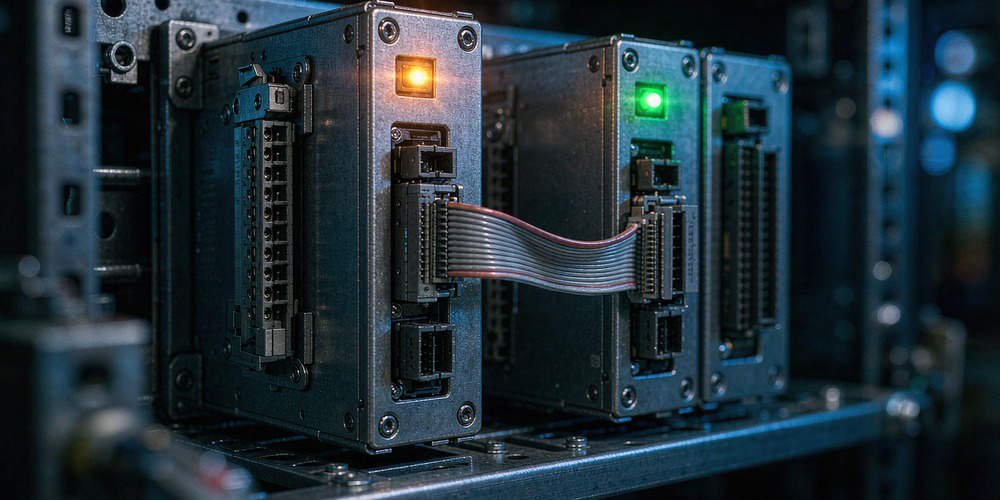
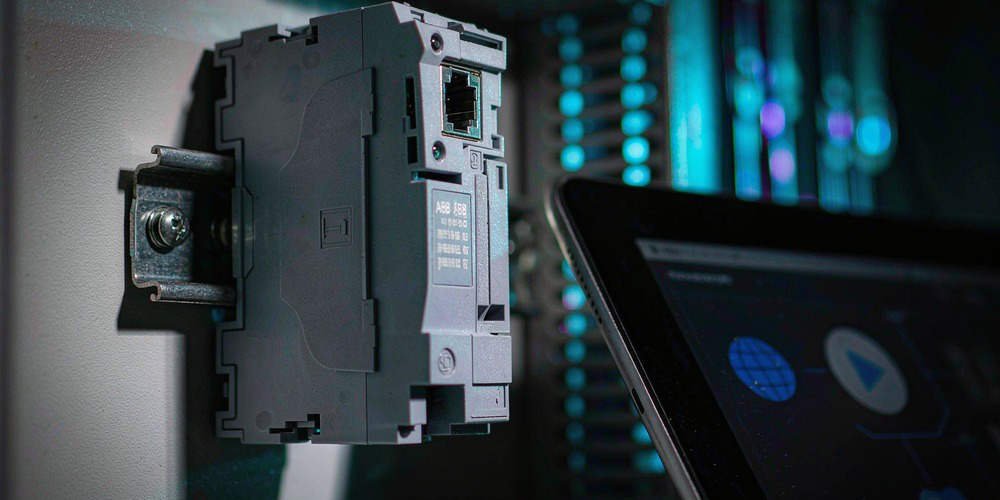
The Schneider Electric Modicon Quantum 140NOM25200C serves as a cornerstone for Ethernet communication in demanding control systems. This module facilitates continuous data exchange between PLCs, HMIs, and SCADA platforms. In sectors like oil and gas or pharmaceuticals, its value depends on deterministic communication. However, external electromagnetic interference (EMI) often disrupts this stability. Understanding these disruptions helps engineers differentiate between true hardware failure and environmental noise.

Identifying Intermittent Packet Loss Patterns Under EMI
EMI typically triggers burst-type packet loss rather than total communication blackouts. You may notice that TCP/IP sessions remain active while cyclic data updates experience significant lag. Consequently, SCADA systems might trigger sporadic timeout alarms that clear themselves within seconds. These “ghost faults” often baffle technicians because the hardware passes standard diagnostic tests. At Powergear X Automation, we frequently observe that these patterns point toward shielding issues rather than defective internal circuitry.
Evaluating Environmental Factors and Installation Risks
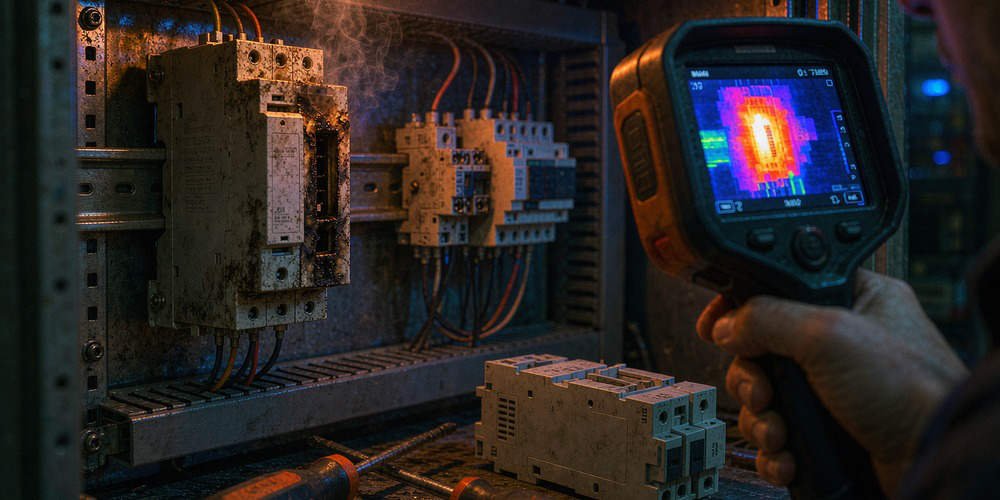
While the 140NOM25200C meets IEC 61131-2 standards, real-world cabinet conditions often exceed these test parameters. Packet loss frequently occurs when Ethernet cables run too close to high-current VFD motor leads. Furthermore, inconsistent grounding on painted backplates creates a high-impedance path for noise. When EMI penetrates the physical layer, it creates Cyclic Redundancy Check (CRC) errors. These errors force the module to drop frames, leading to the erratic performance seen in factory automation.
Analyzing Protocol Resilience and Latency Impacts
The 140NOM25200C utilizes standard TCP/IP, which offers some resilience through retransmission mechanisms. Nevertheless, excessive interference forces constant re-sending of data packets. As a result, network latency increases and PLC scan times may fluctuate. For high-speed interlocks and synchronized control systems, this jitter is unacceptable. Even if the PLC logic remains running, the delayed data can cause nuisance trips or reduced production efficiency in complex DCS environments.
Implementing Professional Shielding and Grounding Standards
Effective mitigation starts with physical separation and high-quality materials. Engineers should always utilize industrial-grade shielded Cat 5e cables for all Quantum installations.
- Maintain at least 30 cm of clearance from high-voltage power lines.
- Bond cable shields to a low-impedance earth ground at cabinet entry points.
- Avoid floating shields to prevent the cable from acting as an antenna.
- Install external Ethernet surge protectors for outdoor or refinery applications.
- Verify that all terminations follow TIA/EIA-568-B industrial standards.
Strategic Insight by Powergear X Automation
In our experience, the 140NOM25200C is a robust piece of hardware, but it is often blamed for system-wide failures that are actually environmental. The industry is shifting toward more sensitive, high-speed data requirements. Therefore, the “it worked yesterday” mentality no longer applies to aging infrastructure. If you are experiencing intermittent “Link” LEDs or CRC errors, look at your grounding before ordering a replacement. Investing in proper EMC hygiene is always more cost-effective than repetitive hardware swaps.
Application Scenario: Chemical Processing Plant
A major chemical facility experienced random SCADA disconnects every time a large centrifuge ramped up. Although the 140NOM25200C was suspected of having a faulty port, a spectrum analysis revealed high-frequency noise leaking from a nearby VFD. By simply upgrading to double-shielded S/FTP cabling and improving the cabinet’s common ground bond, the “faulty” module returned to 100% uptime without replacement.
Frequently Asked Questions (FAQ)
Q: How can I verify if my communication lag is environmental or a module hardware defect?
Check the PLC diagnostic buffer for “Frame Errors” or “CRC Errors.” If these errors coincide with the startup of heavy machinery or VFDs, it is likely EMI. A failing module usually stays offline or fails to initialize regardless of external equipment activity.
Q: When purchasing a 140NOM25200C for an older system, what should I check first?
Check your existing cable type. Older systems often use unshielded twisted pair (UTP). Modern 140NOM25200C modules are more sensitive to noise than legacy serial counterparts, so upgrading to shielded cabling is a prerequisite for a successful retrofit.
Q: Is there a specific diagnostic tool for measuring this packet loss in real-time?
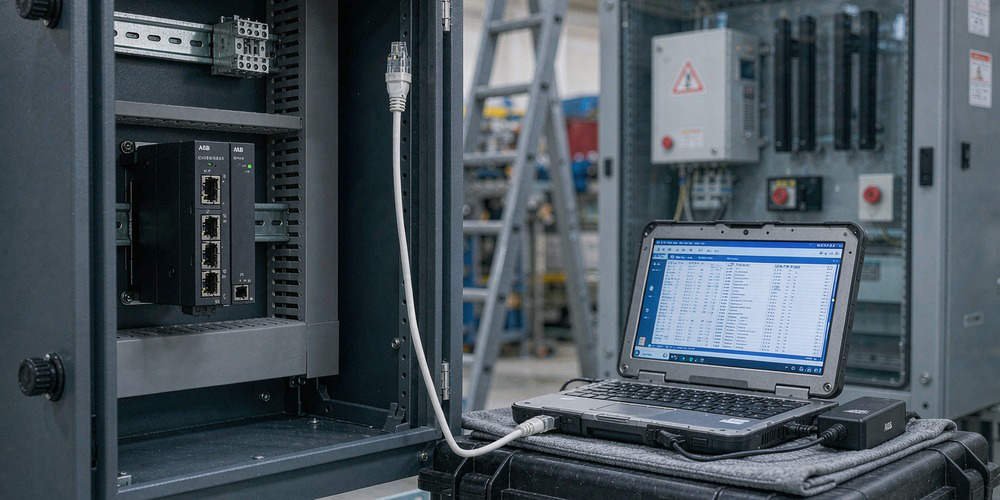
You can use managed switch port statistics or specialized industrial network Analyzers. Look for an increase in “Inbound Errors” on the specific port connected to the Modicon module. If the error count rises only during production hours, your issue is environmental interference.
For professional technical support and high-quality industrial components, visit the experts at Powergear X Automation to optimize your control system’s reliability.