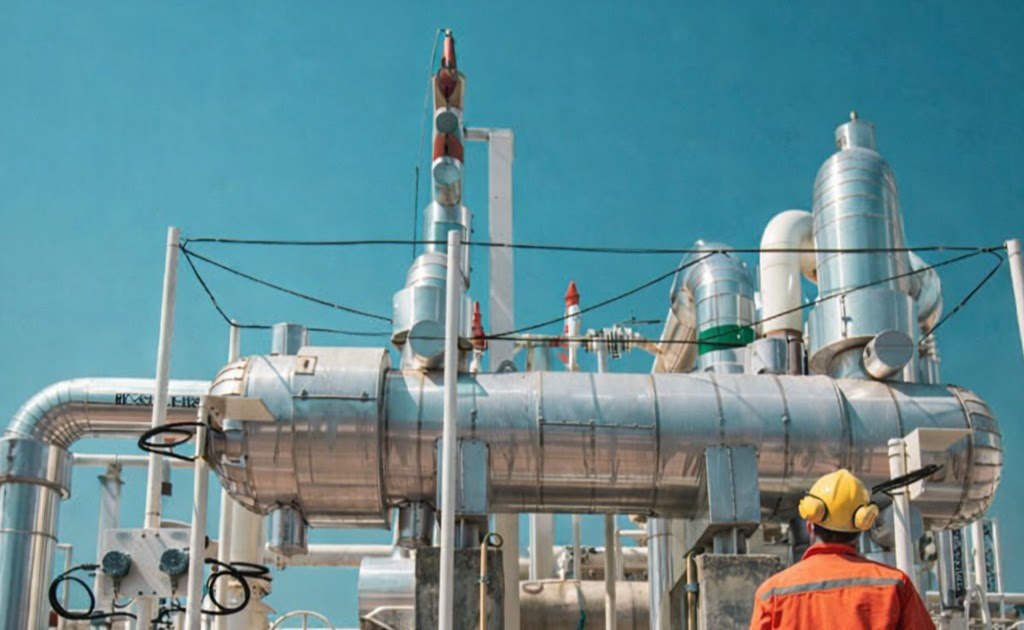
Troubleshooting Honeywell XNX Gas Detector Transmitter “- – – -” Offline Faults for XNXXSS1SS and XNXXSS2SS
Industrial safety networks rely on accurate gas detection to protect continuous processing plants. However, engineers frequently encounter a “- – – -” display on Honeywell XNX Universal Gas Detectors. This symbol indicates an offline sensor state or a communication failure. Powergear X Automation presents this technical guide to help technicians diagnose gas transmitter faults quickly. We will cover part number validation, sensor life cycle limits, and transmitter integration steps.
Understanding Gas Cartridge Part Numbers and Target Compatibility
Mismatched sensor cartridges cause frequent offline errors in factory automation safety systems. Honeywell documentation identifies XNXXSS1SS and XNXXSS2SS specifically as Sulfur Dioxide (SO2) electrochemical sensors. Conversely, Hydrogen Sulfide uses XNXXSH3SS cartridges, while Carbon Monoxide requires dedicated CO sensors. Installing an SO2 cartridge into an H2S monitoring node prevents signal recognition. Therefore, technicians must verify exact part numbers against project safety schedules before replacing parts.
Electrochemical Sensor Degradation and Environmental Influences
Electrochemical cartridges degrade gradually under harsh operational conditions. Environmental factors like high ambient humidity, temperature spikes, and chemical poisoning damage the internal electrolyte balance. According to industrial safety reports, sensor drift causes up to 30 percent of unexpected gas transmitter faults. Moreover, prolonged exposure to high gas concentrations exhausts the sensing electrodes rapidly. As a result, the XNX transmitter loses sensor communications and displays the offline fault symbol.
Evaluating Digital Communication Between Transmitter and Sensors
Modern gas transmitters rely on digital handshakes to register installed sensor cartridges. The Honeywell XNX motherboard reads sensor configuration data dynamically rather than monitoring basic analog voltage inputs. Consequently, dirty pins, socket moisture, or oxidized contacts disrupt data packets. When digital communication fails, the XNX display defaults to the “- – – -” status. Furthermore, the 4-20mA loop output triggers an analog fault signal to the PLC control systems.
Step-by-Step Diagnostic Sequence for XNX Transmitter Recovery
- Verify Target Gas Matching: Confirm that the physical sensor part number matches the required process gas specification.
- Inspect Mechanical Contacts: Isolate transmitter power and clean the gold-plated connector pins using suitable electrical contact cleaner.
- Perform Cross-Testing: Swap the suspect unit with a known working cartridge of identical gas type and range.
- Execute Calibration Routine: Complete zero alignment and span calibration procedures using certified calibration gas bottles.
Field Installation Standards for Hazardous Area Compliance
Proper field installation ensures long-term transmitter reliability in volatile refinery environments. Technicians must seal explosion-proof cable entries in compliance with IECEx and ATEX standards. Furthermore, mounting transmitters near heavy pumps or compressors exposes internal connectors to excessive physical vibration. Installing flexible conduit loops dampens mechanical shocks effectively. In addition, shield grounds must terminate properly at the control cabinet to eliminate electrical noise.
Procurement Strategy and Lifecycle Asset Management
Procurement teams must evaluate total cost of ownership rather than focusing solely on upfront hardware costs. Maintaining proper spare parts inventories prevents extended downtime during emergency safety trips. However, storing electrochemical cartridges beyond their shelf life degrades performance before installation. B2B buyers should establish scheduled delivery agreements with trusted automation suppliers. Always verify hardware revisions and firmware compatibility prior to scheduling major maintenance turnarounds.
Application Scenario: Petrochemical Facility Gas Detection Upgrade
A major petrochemical processing facility experienced recurring offline faults across four XNX gas detectors. The local display continuously flashed the “- – – -” fault code following a routine maintenance overhaul. Initial troubleshooting revealed that maintenance crews accidentally installed XNXXSS1SS SO2 cartridges into designated H2S monitoring locations.
The engineering team resolved the issue by deploying correct XNXXSH3SS Hydrogen Sulfide sensor cartridges. Furthermore, technicians cleaned oxidized backplane connectors and executed full zero and span calibrations via HART communicators. This correction restored immediate gas concentration tracking to the main DCS control room, ensuring full safety system compliance without replacing the main transmitter units.
To source genuine gas detection hardware and field instrumentation modules for your facility, visit Powergear X Automation to explore our complete industrial product catalog.
Frequently Asked Questions (FAQ)
Q1: Can I use XNXXSS1SS cartridges to detect Hydrogen Sulfide or Carbon Monoxide?
No. The XNXXSS1SS is specifically engineered as a Sulfur Dioxide (SO2) sensor. Installing it in an H2S or CO monitoring node causes target mismatch errors and communication failure.
Q2: Does a “- – – -” display always mean the sensor cartridge is permanently damaged?
Not necessarily. The symbol indicates that the transmitter cannot read valid data. Common causes include loose mechanical pin contact, wrong sensor part numbers, expired calibration, or corrupted firmware settings.
Q3: What post-installation steps are required after replacing an XNX sensor cartridge?
Technicians must verify the sensor configuration parameters, perform zero and span calibrations using certified span gas, and test the 4-20mA signal transmission to the receiving PLC or DCS.