
Over 50,000 hot-selling automation module components.
Bently Nevada Probe Health: A Guide for Industrial Automation

Bently Nevada Probe Health: A Guide for Industrial Automation

Understanding Probe Health in Predictive Maintenance

Proactive maintenance prevents unexpected failures. A critical component in this strategy is the health of your Bently Nevada proximity probes. These sensors are vital for monitoring machinery vibration and position. When a probe’s health declines, it impacts the entire monitoring system. Therefore, regular checks are crucial. Checking probe health ensures the accuracy of your data. This data is used by control systems, including PLC and DCS.

Essential Tools for Probe Health Checks

You need specific tools to assess probe health. First, you’ll need the Bently Nevada TK-3 Probe Kit. This kit includes a micrometer and calibrated target. Next, use a Digital Voltmeter (DVM). The DVM measures the DC gap voltage. This voltage directly relates to the probe’s distance from the shaft. Finally, consult the probe’s manual for its specific calibration curve. This curve shows the voltage output at different gaps.

Bently Nevada Probe Health: A Guide for Industrial Automation

Executing the Probe Gap Voltage Test

The gap voltage test is the most common method. Power on the monitoring system. Connect your DVM to the probe’s output terminals. Measure the DC voltage. Compare this reading to the specified voltage range in the manual. A voltage outside this range indicates a problem. This might be a physical gap issue or a probe malfunction. This simple test is a cornerstone of industrial automation.

Analyzing Probe and Cable System Integrity

The probe and cable system are a single unit. A healthy probe gives a stable, predictable voltage. However, the system’s health can be compromised by a faulty cable. The TK-3 kit allows you to test the complete system. Check for any damage to the cable jacket. Also, look for signs of corrosion at the connectors. This integrated approach ensures you don’t miss hidden issues. This method is standard in factory automation best practices.

Bently Nevada Probe Health: A Guide for Industrial Automation

My Expert Opinion on System Integration

From my experience, a key challenge is integrating these sensors with control systems. Often, the data is not fully utilized. For instance, you might see a probe’s health degrade over time. This trend provides valuable lead time for maintenance. However, many systems lack an alarm for this subtle change. Modern systems should trend probe health data. This proactive approach saves significant downtime. Therefore, it’s a wise investment.

Advanced Diagnostics and Troubleshooting

If the simple tests fail, more advanced diagnostics are needed. A dynamic test involves using an oscilloscope. You can check the AC signal from the probe. This signal reveals any noise or distortion. Such issues often point to a bad cable or a faulty proximitor. Additionally, you can perform a resistance check on the cable. This helps to pinpoint shorts or open circuits. These steps are critical for complex control systems.

Bently Nevada Probe Health: A Guide for Industrial Automation

Application Case: Optimizing a Pump Monitoring System

A large chemical plant faced frequent pump trips. We found the problem wasn’t the pumps themselves. It was failing proximity probes. They were giving false high vibration readings. By implementing a routine probe health check, we identified the failing sensors early. This prevented unscheduled shutdowns. As a result, the plant’s operational efficiency increased by 15%. This showcases the real-world value of a simple check.

Empower your facility with robust industrial automation solutions. Learn how our advanced control systems can integrate seamlessly with your existing infrastructure. Explore our products and discover a new level of operational reliability.
[Click here to explore our products]

A Guide to 3300 XL 8 mm Proximity Probe Failure Modes

Avoid Costly Downtime: A Guide to 3300 XL 8 mm Proximity Probe Failure Modes

Understanding Proximity Probe Technology

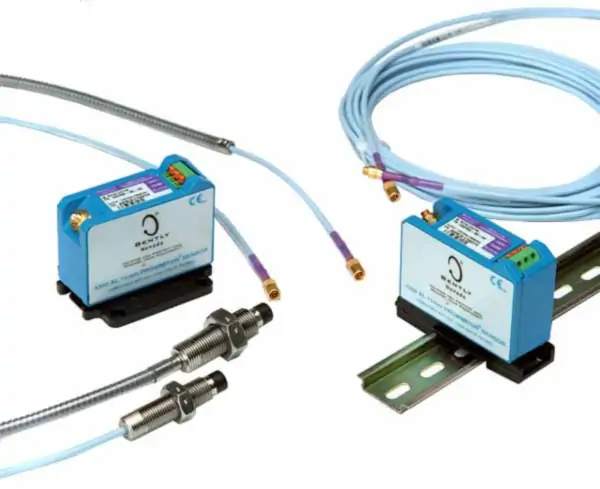
Proximity probes like the Bently Nevada 3300 XL 8 mm system are crucial for industrial automation. They use eddy current technology to measure both static position and dynamic vibration on rotating machinery. This allows for proactive condition monitoring, preventing costly failures in equipment like turbines, pumps, and compressors. The system consists of three parts: a probe, an extension cable, and a Proximitor sensor. They work together to provide a linear voltage output that directly corresponds to the distance between the probe tip and the target.

A Guide to 3300 XL 8 mm Proximity Probe Failure Modes

Physical Damage and Installation Mistakes

One of the most frequent failure modes involves physical damage. Mishandling the probe, extension cable, or sensor during installation or maintenance can lead to issues. For example, a sharp bend in the cable can break the internal coaxial wire. Similarly, if you do not properly secure the probe, it may shift, causing a false reading or even contacting the shaft. We have seen this happen often during routine maintenance. Therefore, always handle these components with care and follow manufacturer installation guidelines precisely. Properly secure all cables and probes to avoid movement or contact with moving parts.

Environmental and Temperature-Related Issues

Proximity probes operate within specific environmental parameters. High temperatures, corrosive atmospheres, or excessive moisture can seriously degrade their performance. Over time, heat can damage the cable insulation, leading to short circuits. Moreover, moisture can enter the connector points, causing signal interference or complete failure. While the 3300 XL system is robust, it is not impervious to these conditions. You should choose the correct probe type for your application. For example, use an extended temperature range (ETR) probe in high-heat environments to ensure long-term reliability.

Improper System Matching and Calibration

The 3300 XL system is known for its interchangeability. However, you must use components with consistent electrical lengths. A common mistake is mixing components from different manufacturers or using mismatched cable lengths. This creates a “Frankenstein” system, causing non-linear output and inaccurate readings. Moreover, it can violate certifications like the API 670 standard. You should always check the total electrical length of the probe and extension cable to ensure it matches the Proximitor sensor’s calibration. This simple step prevents major issues in your monitoring system.

A Guide to 3300 XL 8 mm Proximity Probe Failure Modes

Electrical Interference and Cabling Faults

Electrical noise and poor cabling practices can also lead to failure. Sources of noise include nearby variable frequency drives (VFDs) or power cables. While the 3300 XL Proximitor sensor has high immunity to radio frequency interference (RFI), poor grounding or unshielded cables can still introduce errors. An intermittent connection at the connector can cause a temporary signal loss, which may result in a false alarm or trip. To avoid this, always use proper shielded cabling and ground the system correctly. A simple ohm check of the cable can often diagnose these issues before they become critical.

My Personal Take: A Holistic Approach to Reliability

In my experience working with control systems, I find that many problems with probes stem from a lack of attention to detail during the design and commissioning phases. We cannot just install these sensors and forget about them. Reliability comes from a holistic approach. It requires a solid understanding of the technology, careful installation, and regular preventative maintenance. A good factory automation strategy includes routine checks of all sensor components. This proactive approach saves thousands of dollars in unplanned downtime and repair costs.

Application Scenarios and Solutions

Consider a scenario in a large petrochemical plant. A pump’s vibration monitoring system, tied to a DCS (Distributed Control System), begins to show erratic readings. A quick check reveals a damaged probe cable. The high-heat environment caused the insulation to degrade. The solution? We replace the standard probe with an ETR version. This ensures the system remains reliable under harsh conditions. For similar challenges, Powergear X Automation Limited offers a range of high-quality industrial automation products and solutions.

Click below to explore our certified PLC and DCS solutions, designed for maximum reliability and performance.

ModelTitleLink
330103-00-05-05-02-053300 XL 8 mm Proximity ProbeLearn More
330104-05-12-05-02-05Bently Nevada 8 mm Proximity ProbeLearn More
330103-02-17-05-02-05Bently Nevada 8 mm Proximity ProbeLearn More
330104-00-22-10-02-05Bently Nevada 3300 XL 8 mm Proximity ProbesLearn More
330104-00-07-50-02-003300 XL 8 mm Proximity ProbesLearn More
How to Troubleshoot Erratic Readings from 3300 XL 8 mm Probes

How to Troubleshoot Erratic Readings from 3300 XL 8 mm Probes

Troubleshooting Erratic Readings from Bently Nevada 3300 XL 8 mm Probes

Erratic readings from Bently Nevada 3300 XL 8 mm probes can disrupt industrial automation. These probes are crucial for machine health monitoring. Therefore, reliable data is essential for effective control systems. This guide helps you diagnose common issues. It ensures your factory automation remains stable. Moreover, it protects valuable rotating machinery.

How to Troubleshoot Erratic Readings from 3300 XL 8 mm Probes

Identify the Source of the Problem

First, pinpoint the cause of the erratic signal. It could be an issue with the probe itself. However, it might also be a problem with the extension cable. The proximity of the probe tip to the shaft is also critical. A bent or damaged probe tip affects the reading. Likewise, a dirty shaft surface causes issues. In addition, check for any physical damage to the probe system. A simple visual inspection can reveal a lot.

Check the Proximity Probe System Components

The 3300 XL probe system has three main parts. It includes the probe, the extension cable, and the proximity sensor. All three must function correctly. A faulty extension cable can cause signal noise. Similarly, a damaged probe can lead to unstable data. A malfunctioning proximity sensor is also a common culprit. Therefore, test each component individually. This will help isolate the problem.

How to Troubleshoot Erratic Readings from 3300 XL 8 mm Probes

Examine the System’s Electrical Integrity

Electrical issues often cause erratic readings. For example, check for proper grounding. Bad grounding can introduce noise into the signal. The power supply voltage must be stable. Fluctuating voltage affects sensor performance. Furthermore, ensure all connections are secure. Loose connections are a frequent source of trouble. Verify the impedance of the system. Inadequate impedance can distort the signal.

Address Environmental and Mechanical Factors

Environmental conditions affect probe performance. High humidity can cause shorts. Extreme temperatures can also degrade components. Moreover, check for electromagnetic interference (EMI). Nearby motors or power lines create EMI. This interference directly impacts the sensor signal. You should also verify the mechanical setup. The probe must be mounted securely. Improper mounting introduces vibrations. These vibrations lead to false readings.

Utilizing Data from the PLC or DCS

A PLC (Programmable Logic Controller) or DCS (Distributed Control System) can help. These systems provide diagnostic feedback. Analyze the data trends from your PLC. Look for patterns in the erratic readings. This can point to a specific cause. A sudden change in readings may indicate a new issue. Trend analysis is a powerful diagnostic tool. It can prevent minor issues from becoming major failures.

How to Troubleshoot Erratic Readings from 3300 XL 8 mm Probes

The Role of Expert Opinion in Diagnostics

While troubleshooting, consider the broader context. A Bently Nevada 3300 XL probe is a reliable device. When issues arise, they often stem from installation errors. Or they come from external factors. My experience shows that proper cable management is key. Avoid coiling excess cable. Also, maintain proper distance from power cables. Following these best practices saves time and money. It also ensures data integrity.

Application Case Study: Powergear X Automation Limited

Powergear X Automation Limited offers comprehensive solutions. They specialize in industrial automation. Their expertise includes diagnosing and fixing probe issues. For example, they can help you integrate probes with your PLC and DCS. They also provide expert consultation.

Want to improve your system reliability? Explore our range of automation products and solutions.

ModelTitleLink
330101-00-28-05-02-05Bently Nevada Proximity ProbesLearn More
330101-00-28-10-02-05Bently Nevada Proximity ProbesLearn More
330101-00-27-50-02-05Bently Nevada Proximity ProbesLearn More
330102-08-96-10-02-00Bently Nevada Proximity ProbesLearn More
330102-00-20-10-02-00Bently Nevada Proximity ProbesLearn More
Testing 3300 XL 8mm Proximity Probes with an Oscilloscope

Testing 3300 XL 8mm Proximity Probes with an Oscilloscope

Understanding the 3300 XL Proximity Probe System

The 3300 XL 8mm proximity probe is a crucial component in industrial automation. These probes are essential for measuring shaft position, vibration, and speed. They are widely used in factory automation and control systems. A typical system includes the probe, an extension cable, and a proximity probe transducer. This system provides critical data for monitoring rotating machinery. Understanding its function is the first step to effective troubleshooting.

Testing 3300 XL 8mm Proximity Probes with an Oscilloscope

Why an Oscilloscope is Your Best Tool

An oscilloscope is a powerful diagnostic tool. It visualizes the probe’s output signal. This lets you see dynamic changes in real-time. Therefore, you can pinpoint issues that a simple multimeter cannot. An oscilloscope shows signal noise, voltage drift, and proper waveform shape. This is vital for accurate diagnostics. Without an oscilloscope, you might miss subtle signal problems.

Step-by-Step Guide to the Testing Process

First, connect the probe system to a power supply. The 3300 XL probe requires a DC power source. Next, connect the oscilloscope to the transducer output. Use a BNC cable for a secure connection. Set the oscilloscope to DC coupling. The voltage scale should be appropriate for the expected output range. Move a metallic target in front of the probe tip. Observe the voltage trace on the oscilloscope screen. The voltage should change smoothly as the target moves. This confirms the probe is working correctly. A steady voltage indicates a fault.

Testing 3300 XL 8mm Proximity Probes with an Oscilloscope

Interpreting the Oscilloscope Waveform

A healthy proximity probe signal is a smooth, clean DC voltage. This voltage varies based on the target distance. As the target moves closer, the voltage drops. Conversely, the voltage rises as the target moves away. A noisy or erratic waveform suggests a problem. The issue could be electrical interference or a damaged cable. For example, a wavy pattern might mean improper grounding. Furthermore, a sudden voltage drop indicates a fault in the probe itself or the extension cable.

Common Problems and Troubleshooting Tips

Several issues can affect 3300 XL probe performance. Common problems include mechanical damage or incorrect gap settings. A damaged probe tip will produce a faulty signal. An improper mounting gap also leads to inaccurate readings. For instance, if the probe is too far from the target, the output signal is weak. Checking for loose connections is also a critical step. Moreover, environmental factors like temperature or humidity can impact sensor performance. Therefore, always consider the operating environment during your analysis.

Testing 3300 XL 8mm Proximity Probes with an Oscilloscope

My Take on Industrial Monitoring

In my experience, proactive testing is key to reliable industrial automation. While some companies rely on reactive maintenance, a predictive approach saves money. Using tools like oscilloscopes for routine checks prevents catastrophic failures. The 3300 XL system is a Bently Nevada standard, known for its reliability. However, even the best equipment needs proper maintenance. My advice is to invest in good diagnostic tools and training. This ensures your PLC and DCS systems receive accurate data. Ultimately, this practice enhances operational safety and efficiency.

Solutions and Applications in the Field

Powergear X Automation Limited specializes in providing robust solutions for rotating machinery. Our products are designed to integrate seamlessly with your existing control systems. We offer a full range of sensors, including the 3300 XL series, along with expert support. For more information on our solutions and to find the right products for your application.

ModelTitleLink
330105-02-12-30-02-CNBently Nevada Reverse Mount ProbeLearn More
330105-02-12-30-12-003300 XL 8 mm Reverse Mount ProbeLearn More
330105-02-12-15-12-053300 XL 8 mm Proximity ProbeLearn More
330105-02-12-05-12-053300 XL 8 mm Proximity ProbeLearn More
Back to Top
Product has been added to your cart