Over 50,000 hot-selling automation module components.
ABB vs Allen Bradley PLCs Key Differences in Industrial Automation

ABB vs Allen Bradley PLCs: Key Differences in Industrial Automation

Introduction

Allen Bradley‘s ControlLogix 5580/5570 handle complex factory automation with motion, safety, and process control. Integrated Ethernet and GuardLogix safety variants enhance flexibility. ABB‘s AC500 matches this with modular scalability, four Ethernet ports, and built-in safety PLC connectivity. Both excel in mining, oil/gas, and high-speed manufacturing but prioritize different interfaces and expansion methods.

ABB vs Allen Bradley PLCs Key Differences in Industrial Automation

Large-Scale Control Systems: Powerhouse Solutions

Allen Bradley‘s ControlLogix 5580/5570 handle complex factory automation with motion, safety, and process control. Integrated Ethernet and GuardLogix safety variants enhance flexibility. ABB‘s AC500 matches this with modular scalability, four Ethernet ports, and built-in safety PLC connectivity. Both excel in mining, oil/gas, and high-speed manufacturing but prioritize different interfaces and expansion methods.

Compact Controllers: Mid-Range Flexibility

Allen Bradley‘s CompactLogix 5480 supports IIoT via Windows OS, while the 5370 focuses on simplified commissioning. ABB’s AC500eco offers modularity for small systems, enabling SD card programming without software. Allen Bradley separates safety (GuardLogix 5380) and process models, whereas ABB integrates safety via modular expansions.

Safety and Ruggedized Solutions

Allen Bradley embeds safety into ControlLogix/CompactLogix via GuardLogix branding. ABB uses dedicated safety CPUs (AC500-S) certified for SIL3/PL e, ideal for heavy machinery. For extreme environments, ABB’s AC500-XC withstands vibration, dust, and -40°C to 70°C without enclosures. Allen Bradley’s ArmorLogix provides ruggedness within existing size categories.

Modularity vs Size-Based Design

ABB’s PLCs prioritize modular expansion (I/O, comms, power) across all sizes. Allen Bradley segments systems by scale: ControlLogix (large), CompactLogix (mid), MicroLogix (small). ABB’s unified architecture simplifies customization, while Allen Bradley optimizes protocols (EtherNet/IP, DeviceNet) per product tier.

Communication and Programming

ABB PLCs standardize on Ethernet/IP and RS485/232, enabling FTP/FTPS access. Allen Bradley diversifies protocols: ControlLogix supports SynchLink, DH+, and DeviceNet. ABB’s SD card programming suits field updates; Allen Bradley uses Studio 500 software for centralized configuration.

A Comparison of CompactLogix vs. ControlLogix Processors

A Comparison of CompactLogix vs. ControlLogix Processors

Introduction to CompactLogix and ControlLogix Processors

Allen-Bradley’s CompactLogix and ControlLogix processors are key players in industrial automation systems. While both offer robust control solutions, they cater to different applications based on system complexity and size. Let’s explore their unique features to better understand which suits your needs.

A Comparison of CompactLogix vs. ControlLogix Processors

CompactLogix: A Compact Solution for Smaller Applications

CompactLogix processors are known for their versatility and cost-efficiency. Available in modular and all-in-one formats, they are well-suited for small to medium applications. Popular models include the L23, L30ER, and L35X. These controllers are designed to be ready for immediate use, with features like a built-in SD card slot, USB port, and embedded supercapacitor.

The ControlLogix: Built for Complex, High-Demand Systems

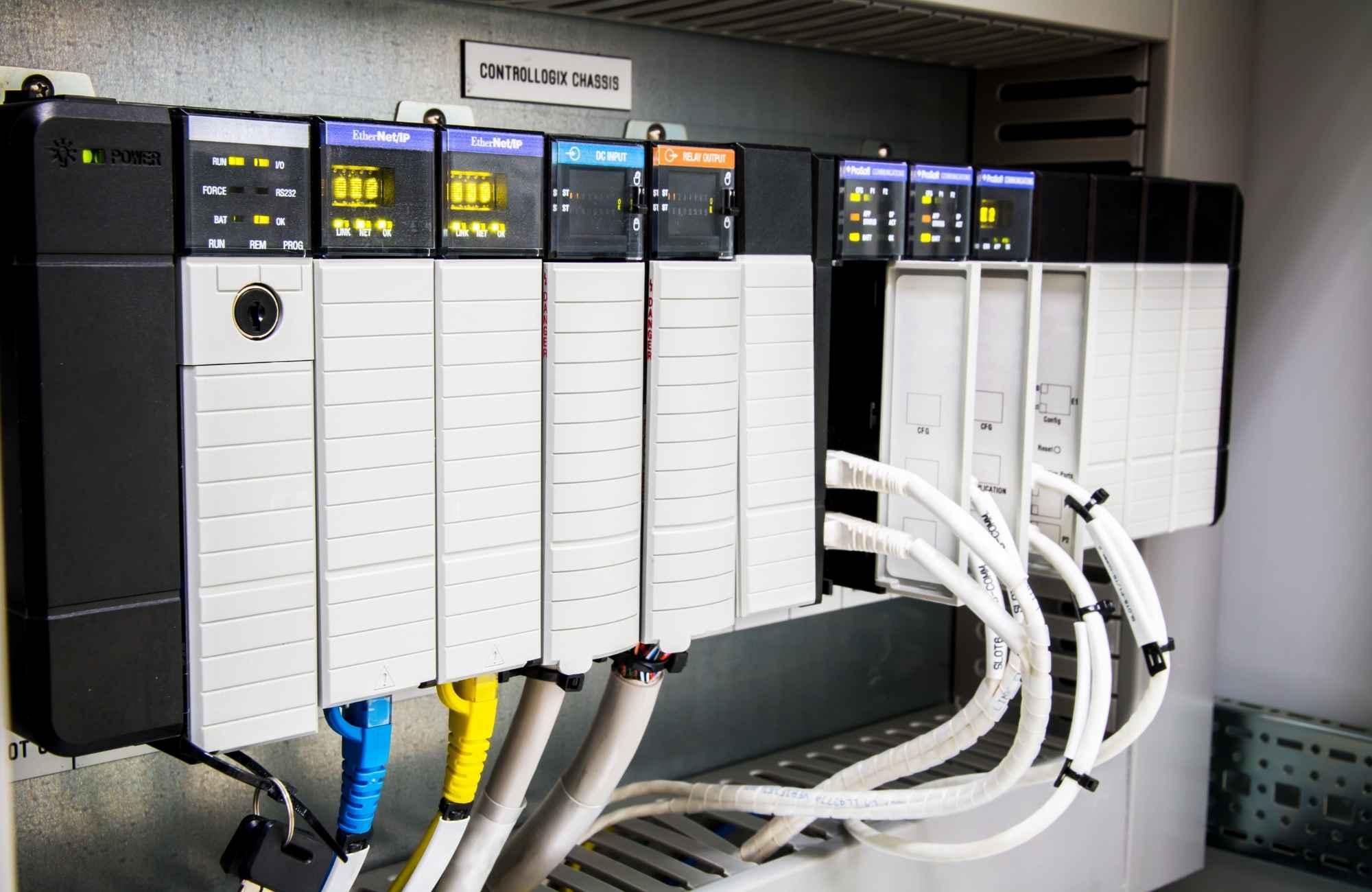
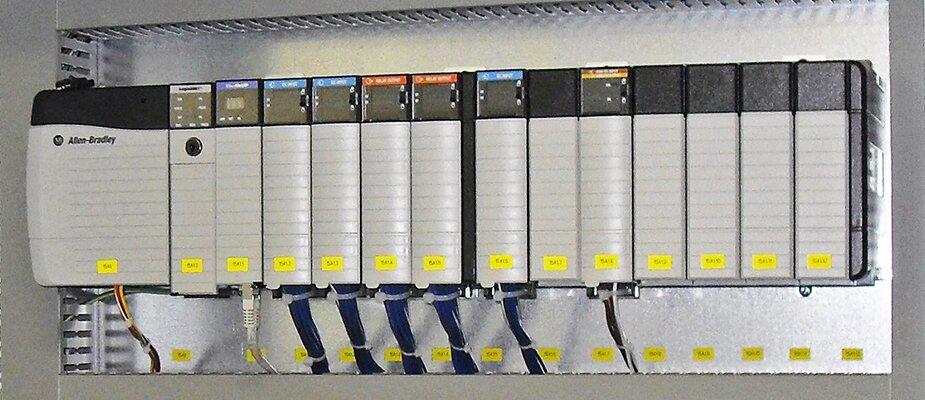
The ControlLogix series, originally released in 1999, is designed for larger, more intricate systems. These modular controllers provide expanded scalability with a power supply, processor, chassis, and communication modules. As the platform has evolved, newer models like the 5580 series offer significantly faster processing and enhanced communication capabilities, making them ideal for high-performance applications.

A Comparison of CompactLogix vs. ControlLogix Processors

Key Differences in Memory and Communication

Memory capacity is one of the most notable differences between these two families. The ControlLogix 5580 boasts up to 20 MB of user memory, while the CompactLogix 5380 reaches a maximum of 10 MB. Both processors offer enhanced communication options, including high-speed Ethernet and USB ports, but the ControlLogix 5580 provides up to 1 Gbps Ethernet, significantly improving communication speed.

Performance Enhancements in Newer Models

The latest CompactLogix 5380 and ControlLogix 5580 models offer substantial upgrades in performance. The CompactLogix 5380 comes with a 1 Gbps Ethernet port and improved memory, while the ControlLogix 5580 outperforms earlier models with its increased speed and memory capacity. The ControlLogix 5580 offers an impressive 20 times faster program scanning compared to previous versions.

A Comparison of CompactLogix vs. ControlLogix Processors

Comparison Table: CompactLogix vs. ControlLogix

FeatureControlLogix 5580ControlLogix 5570CompactLogix 5380CompactLogix 5370 L3
Controller Tasks32/1000 programs/task32/1000 programs/task32/1000 programs/task32/1000 programs/task
User Memory3 MB to 20 MB + 6 MB safety2 MB to 8 MB + 4 MB safety0.6 MB to 10 MB + 5 MB safety1 MB to 5 MB + 1.5 MB safety
Built-in PortsSingle-port Ethernet (1 Gbps)Dual-port Ethernet (100 Mbps)2 Ethernet ports (1 Gbps)Dual-port Ethernet (100 Mbps)
Communication OptionsEtherNet/IP, ControlNet™, DeviceNet™, USBEtherNet/IP, ControlNet™, DeviceNet™, USBEtherNet/IP, USBEtherNet/IP, USB
Controller ConnectionsNot Applicable500 ConnectionsNot Applicable256 Connections

Choosing the Right Processor for Your System

When selecting between CompactLogix and ControlLogix, consider your system’s size and complexity. For smaller systems with moderate I/O, CompactLogix offers a cost-effective, reliable option. On the other hand, for large-scale, high-performance applications, ControlLogix provides more robust capabilities and scalability.
Coal Ash Processing in Thermal Power Plants

SCADA Solutions for Coal Ash Processing in Thermal Power Plants

📌 Project Overview

Datang Ningde Power Plant operates four coal-fired units (2×600MW + 2×660MW) with an annual fly coal ash processing capacity of 360,000 tons. The automation system ensures efficient solid waste utilization, producing Grade I/II fly ash. Key objectives include:

  • 📡 Real-time monitoring for process optimization
  • 🔒 Safety interlocks to prevent equipment failures
  • 📊 Historical data traceability for quality control

🏗 Control System Architecture

The system utilizes Siemens PLCs for local control and Advantech industrial PCs with InTouch SCADA for visualization.

  • 🌡 The system displays pressure and temperature parameters both locally and on DCS screens.
  • 🔄 Redundant communication interfaces ensure seamless integration with plant-wide networks.

🎯 Core Functional Requirements

  • 🖥 Local control panels provide pressure/temperature displays and allow operators to adjust setpoints.
  • 📈 Historical temperature data is stored for quality audits and compliance.
  • 🛢 Dual oil pumps in lubrication stations enable automatic fault switching, ensuring uninterrupted operation.
  • 🚨 Differential pressure switches trigger alarms and mill shutdowns during abnormal conditions.

🛡 Safety and Interlocking Logic

  • ⚠️ Oil pressure indicators & differential pressure alarms prevent equipment damage.
  • 🔌 The PLC implements interlock trip logic, automatically halting operations during critical faults.
  • 🌍 Remote communication interfaces support centralized monitoring via Modbus/TCP protocols.

🚀 Operational Advantages

  • Real-time DCS visualization reduces manual inspections.
  • Automated pump switching minimizes downtime and enhances reliability.
  • Historical trend analysis supports predictive maintenance strategies.
  • Standardized protocols simplify third-party system integration.

🔮 Future Scalability

📡 Modular design supports additional sensors or processing lines.
☁️ Cloud connectivity could enhance remote diagnostics and data analytics.
🤖 Machine learning algorithms may be implemented to optimize grinding efficiency in later phases.

If you are looking for DCS integration system, please feel free to Powergear X Automation Limited.

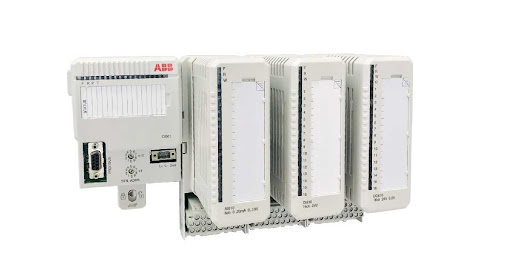
ABB AI845

ABB S800 I/O Modules: A Comprehensive Guide

This article delves into the key features, benefits, working principles, and application areas of ABB S800 I/O modules. As a versatile and reliable component in industrial automation systems, the S800 I/O module offers numerous advantages for process control and monitoring.

Wastewater Treatment System

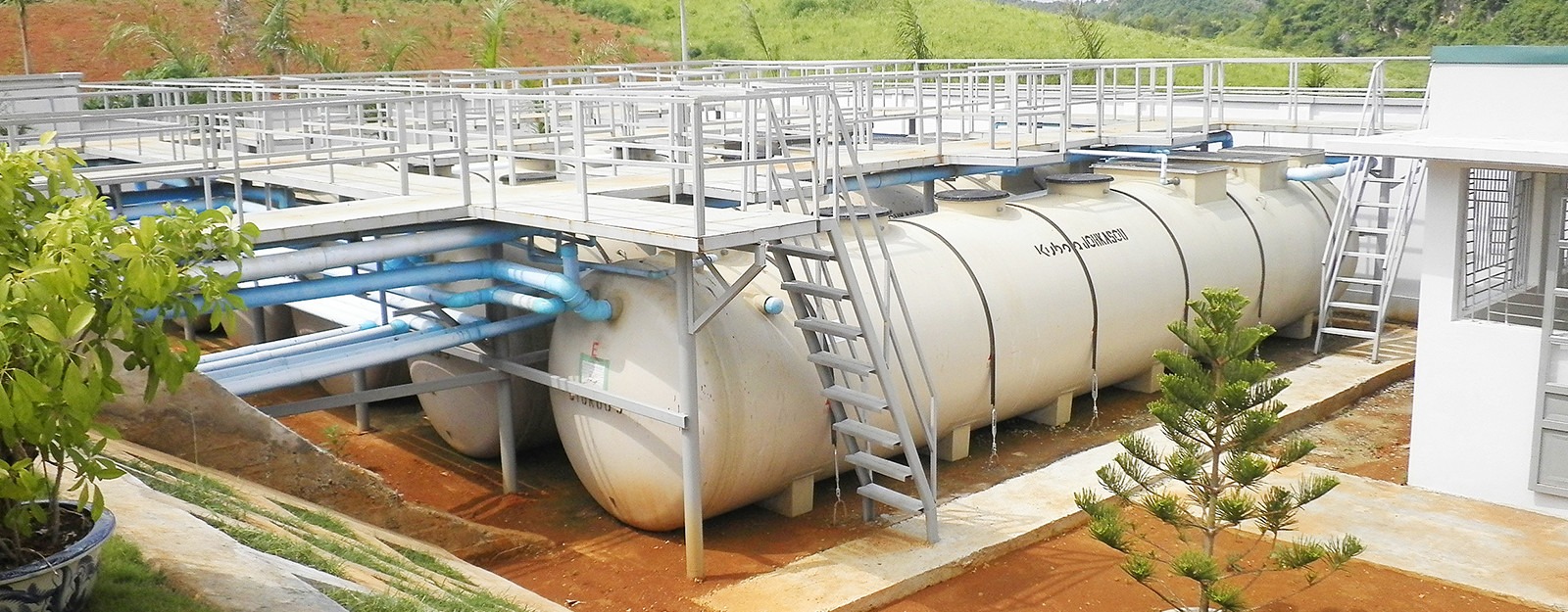
Siemens S7-200 PLC-Based Wastewater Treatment System

This article provides a detailed description of a wastewater treatment system that utilizes Siemens S7-200SMART PLC as its core control unit. The system incorporates various instrumentation, chemical dosing systems, and process tanks to effectively treat 500m³/d of wastewater. It delves into the system’s automation architecture, control strategies, and the role of different components in achieving optimal water quality.

3300 Extension Cable

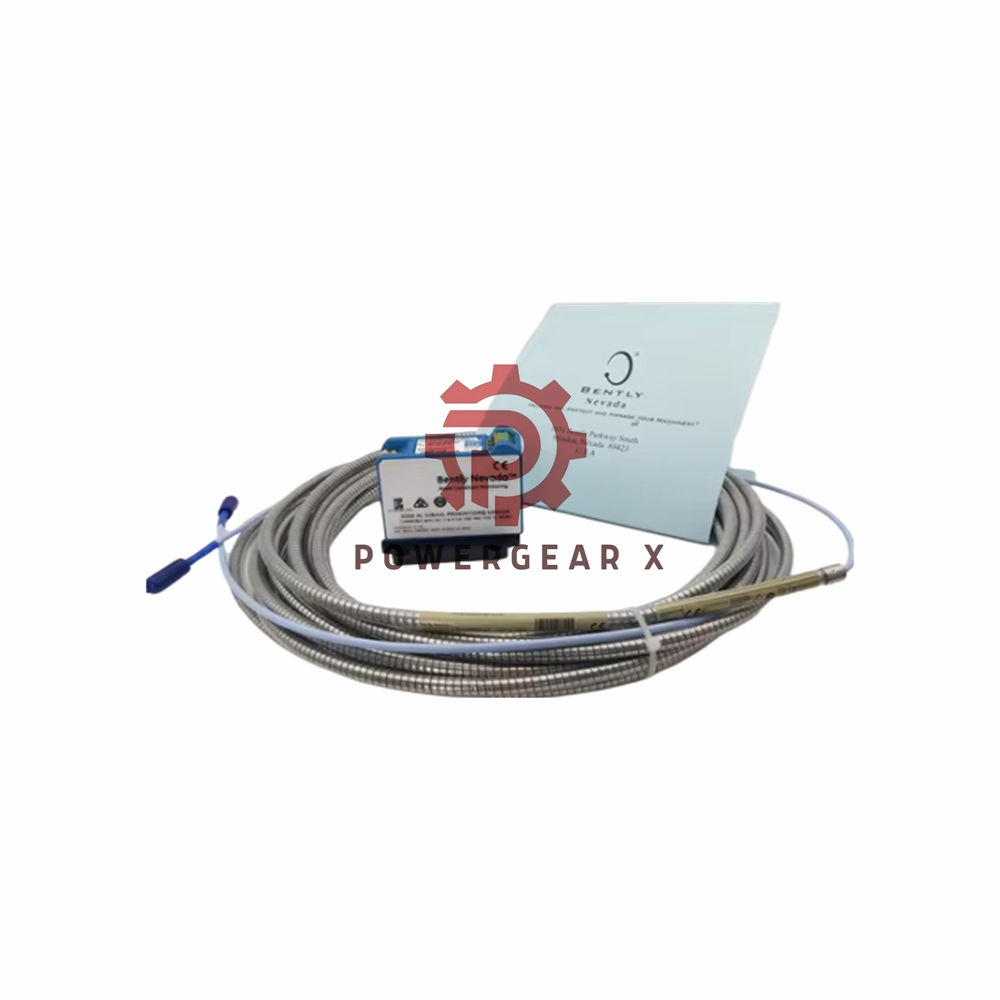
Deep Dive into Bently Nevada 330130 3300XL Extension Cable

This article provides a detailed overview of the Bently Nevada 330130 3300XL Extension Cable, including its working principle, diverse applications, and key advantages. Whether you’re an experienced engineer or new to the field, this guide will equip you with the knowledge necessary to understand and utilize this essential component in industrial automation systems.

Understanding Bently Nevada Proximity Sensors

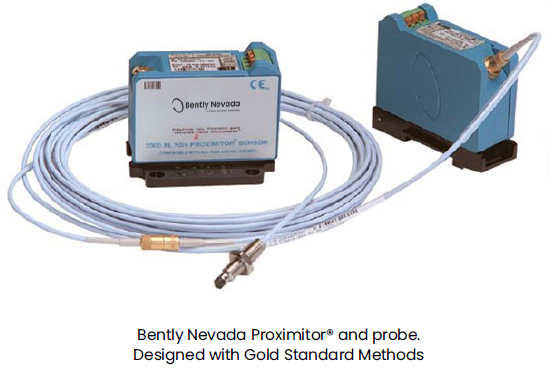
Understanding Bently Nevada Proximity Sensors

Bently Nevada proximity sensors are indispensable tools in industrial automation. This article delves into the operational principles, diverse applications, and significant advantages of these sensors. Gain a comprehensive understanding of why these sensors are a preferred choice for many industrial processes.

Back to Top
Product has been added to your cart