Over 50,000 hot-selling automation module components.
RX3i Troubleshooting

Mastering Reliability: Troubleshooting Communication Failures in RX3i PACSystems

Understanding RX3i PACSystems Communication Issues

The RX3i PACSystems PLC is vital for robust industrial automation. However, communication failures can disrupt control, severely impacting factory automation. These issues range from simple loose cables to complex network configuration errors. Effective troubleshooting is crucial. We must quickly identify the root cause to maintain system uptime. This section sets the stage for expert-level diagnosis.

Initial Checks: Physical Layer and Wiring Integrity

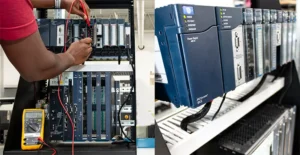
Always start troubleshooting at the physical layer. Loose or damaged wiring is a very common culprit. Verify all Ethernet cables (for PROFINET or Modbus TCP/IP) are securely plugged in. Check cable shielding and grounding according to industry standards. Moreover, inspect power supply voltages for all modules. Consistent power ensures stable module operation and reliable data transmission.

RX3i Troubleshooting

Diagnosing Network Configuration and IP Conflicts

Incorrect network settings frequently cause communication problems. Verify that the CPU and all remote I/O devices have unique, correct IP addresses. Use the Proficy Machine Edition software to check device configurations. In addition, ensure subnet masks and gateway settings are correct across the entire control systems network. An IP address conflict will instantly halt communication.

Examining RX3i Module Status and Diagnostics

The RX3i platform provides powerful on-board diagnostics. Look for LED indicators on the CPU and communication modules (e.g., green/red status). A solid red status often signals a critical fault. Consult the CPU fault tables or diagnostic logs in the PLC programming environment. These logs offer specific error codes, significantly speeding up the repair process.

Advanced Troubleshooting: Protocol and Performance Analysis

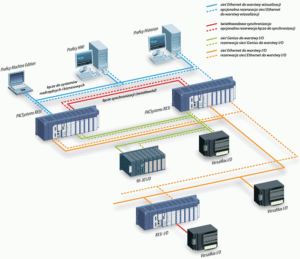
For persistent issues, consider the communication protocol itself. For instance, PROFINET systems require correct device names and cycle times. Use network monitoring tools to analyze data traffic and identify excessive latency or packet loss. Therefore, optimizing network loading and segmenting large networks can enhance overall DCS reliability. We must ensure the network can handle the required data throughput.
RX3i Troubleshooting

Author’s Insight: The Move to High-Speed Industrial Ethernet

Modern industrial automation demands faster, more reliable communication. The trend is clearly towards high-speed industrial Ethernet like PROFINET or Ethernet/IP. While these protocols offer benefits, they also introduce configuration complexity. My experience shows that proper network documentation and rigorous commissioning are the best preventative measures against future failures. Investing in expert training is far cheaper than dealing with unexpected downtime.

Application Scenario: Redundant Control Solutions

For mission-critical applications, consider implementing an RX3i hot-standby redundancy solution. While the initial setup is more complex, a redundant system ensures continuous operation even if one CPU or communication link fails. This architectural approach is highly valued in pharmaceutical and power generation control systems. It elevates reliability, offering peace of mind to operations managers.

RX3i Troubleshooting

RX3i Troubleshooting

Enhance Your System Reliability Today!

Communication failures cost time and money. Powergear X Automation Limited offers advanced troubleshooting services and certified RX3i components.

GE RX3i vs RX7i

GE RX3i vs RX7i: A Deep Dive into PLC Differences for Industrial Automation

Understanding the PACSystems Evolution in Industrial Automation

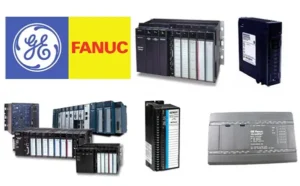
Industrial automation relies heavily on robust control systems. General Electric (GE) (now part of Emerson Electric Co. PACSystems) provided two significant platforms: the RX3i and the older RX7i. Both Programmable Logic Controllers (PLCs) managed critical factory automation tasks. Understanding the distinctions is vital for system architects and control engineers. We will explore the core differences in performance, architecture, and application.

Architectural Foundation: Bus Technology and Backplane Speed

The backplane forms the communication backbone for all modules. The RX7i utilizes the older VME bus architecture. This architecture offered reliability in its time. However, the RX3i leverages the innovative PCI-Express-based Universal Backplane. This change dramatically improves data throughput and communication speed. Faster backplane communication directly enhances real-time control performance.

GE RX3i vs RX7i

Processing Power: Performance for Modern Control Systems

Modern control systems demand faster processing. The RX3i features cutting-edge, often multi-core, processors. These powerful CPUs execute complex control logic much quicker than the RX7i’s older generation processors. Moreover, the RX3i offers significantly more working memory. As a result, it handles larger data sets and sophisticated industrial automation applications easily. This speed difference is crucial for high-speed manufacturing.

Communication and Networking: Bridging the Industrial Ethernet Gap

Connectivity is paramount in today’s industrial automation landscape. The RX3i often includes integrated Gigabit Ethernet and supports modern protocols like PROFINET. This facilitates high-speed data exchange across the network. Conversely, the RX7i required separate communication modules for many advanced network functions. Therefore, the RX3i simplifies network setup and enhances distributed control systems capabilities.

Form Factor and Modularity: Adapting to Factory Automation Needs

The RX7i generally employed a larger form factor due to the VME bus standards. This sometimes required more cabinet space. The RX3i offers a more compact design, often fitting better into modern, space-conscious factory automation environments. Furthermore, both platforms offer hot-swap capabilities for I/O modules. However, the RX3i’s Universal Backplane provides better future-proofing for new module technologies.

GE RX3i vs RX7i

The Author’s Insight: Choosing the Right PLC Platform

The RX7i was a workhorse, proving its reliability for decades. However, its technology is now considered legacy. The RX3i clearly offers superior performance, better communication, and a more modern architecture. We recommend new installations and major upgrades should strongly favor the RX3i series. This aligns with industry trends towards faster data processing and seamless integration with Industrial Internet of Things (IIoT) concepts. Investing in the RX3i ensures longevity and better return on investment.

Application Scenarios: Where Each System Shines

The RX7i still operates reliably in many existing plants, particularly for lower-speed processes. Companies often keep them running due to high reliability and the cost of migration. The RX3i excels in high-performance applications like high-speed packaging, complex motion control, and extensive Distributed Control System (DCS) architectures. Its capacity for large-scale data logging and analysis makes it ideal for optimization efforts.

GE RX3i vs RX7i

Elevate Your Industrial Automation Strategy with Powergear X

Navigating the complexities of PLC and DCS platforms is our specialty. Powergear X Automation Limited provides expert consulting, integration, and solutions using the robust PACSystems technology. Whether you are migrating from RX7i to RX3i or designing a new control systems network, our certified engineers deliver world-class service.

Ready to upgrade your industrial automation systems? Click here to explore our specialized RX3i solutions and technical support packages tailored for optimal performance.

Troubleshooting Bently Nevada 3300 NSv Metric Probe Issues

Resolving Zero Output: Troubleshooting Bently Nevada 3300 NSv Metric Probe Issues

Understanding the 3300 NSv Metric Probe

The Bently Nevada 3300 NSv Metric Probe is vital. It measures shaft vibration and position accurately. These proximity probes are essential for industrial automation systems. They monitor critical machinery health. The probe system relies on a non-contact technique. Therefore, zero output is a serious indicator of a fault. We must address this quickly to maintain machine protection.

Initial Diagnostics: Checking Power and Wiring

Start by verifying the system’s power supply. The 3300 NSv proximity system needs stable DC voltage. Check the wiring for physical damage first. Look for cuts, abrasions, or loose connections. Moreover, confirm correct polarity for the power leads. Incorrect wiring often causes a zero or unstable signal. Always consult the system’s manual for pinout specifications.

Troubleshooting Bently Nevada 3300 NSv Metric Probe Issues

Examining the Proximitor Sensor and Gap Voltage

The Proximitor Sensor is key to the system’s function. Measure the Gap Voltage at the Proximitor output terminals. A healthy system shows a specific DC voltage range. A zero reading here strongly suggests a probe or Proximitor failure. Alternatively, a short circuit in the probe cable could be the issue. Use a digital multimeter for accurate voltage measurement.

Investigating Probe and Cable Integrity

Probe damage is a common culprit. Inspect the probe tip for dirt, grease, or physical damage. Contaminants can block the electromagnetic field. The probe cable’s integrity is also crucial. Perform a resistance check on the cable and probe assembly. A high resistance reading indicates an open circuit. This issue directly leads to no output signal.

System Integration with PLC and DCS

The 3300 NSv output feeds into control systems like PLC or DCS. The zero output might originate downstream. Check the input module settings on your factory automation controller. Ensure the scaling and input type are correct for the 3300 NSv signal. Incorrect configuration prevents the controller from reading the signal. Therefore, verify software settings thoroughly.

Troubleshooting Bently Nevada 3300 NSv Metric Probe Issues

The Influence of Grounding and Shielding

Proper grounding is paramount in noisy industrial environments. Bad grounding causes signal interference or loss. Ensure the Proximitor housing is correctly grounded. Additionally, the cable shielding must be intact and correctly terminated. Good shielding prevents electrical noise from corrupting the low-level signal. This is a vital step in high-noise industrial automation.

Author’s Insight: Leveraging Modern Diagnostics

My experience suggests investing in modern diagnostic tools. Portable vibration analyzers can quickly test the probe’s health. Furthermore, trending the Gap Voltage is a powerful predictive tool. A gradual voltage shift precedes total signal loss. Bently Nevada continues to set the standard for machine protection. Proactive maintenance far outweighs reactive repairs.

Troubleshooting Bently Nevada 3300 NSv Metric Probe Issues

Application Scenario: Turbo-Machinery Monitoring

The 3300 NSv is frequently deployed on critical turbo-machinery. Imagine a compressor trip caused by a false zero-vibration reading. Downtime costs skyrocket rapidly. Regular checks of the system’s Gap Voltage prevent this scenario. A functioning proximity probe is the first line of defense in process control safety.

For reliable solutions and expert support in maintaining your industrial automation and control systems, and for high-quality replacement parts, Powergear X Automation Limited offers a wide range of products.

Click here to explore Powergear X Automation Limited‘s solutions for vibration monitoring and machine protection.

ModelTitleLink
1900/27-01Bently Nevada Vibration Monitor ModuleLearn More
60M100-00Bently Nevada Condition Monitoring SystemLearn More
3500/53 133388-01Bently Nevada Overspeed Detection ModuleLearn More
3500/45 176449-04Bently Nevada Position MonitorLearn More
3500/77M-03-00 176449-07Bently Nevada Recip Cylinder Pressure MonitorLearn More
Optimizing Vibration Monitoring with the Bently Nevada 3500 System

Optimizing Vibration Monitoring with the Bently Nevada 3500 System

Understanding the Foundation of Machine Health

Vibration monitoring is critical for asset reliability. The Bently Nevada 3500 system is a leading solution. It provides continuous monitoring of critical machinery. This helps prevent unexpected failures. The system integrates well with modern industrial automation platforms. It works with both PLC and DCS systems. This integration creates a comprehensive overview of equipment health.

Key Components for Effective Monitoring

The Bently Nevada 3500 rack is the central hub. It houses various modules. These modules include power supplies and system monitors. They also include I/O modules. The system uses proximity probes and velocity sensors. These sensors collect real-time data. Data accuracy is essential. Moreover, proper sensor installation is paramount for reliable readings.

Optimizing Vibration Monitoring with the Bently Nevada 3500 System

Leveraging Software for Proactive Insights

Effective monitoring goes beyond hardware. The 3500 system uses powerful software. This software analyzes vibration data. It identifies trends and patterns. For instance, you can spot bearing wear early. This allows for planned maintenance. The software’s capabilities enhance overall factory automation. It turns raw data into actionable insights.

Integration with Modern Control Systems

The Bently Nevada 3500 seamlessly integrates with higher-level control systems. It connects to both PLC and DCS networks. This integration is vital for synchronized operations. As a result, machine data is available to operators. Operators can make informed decisions. This connectivity improves efficiency and reduces downtime. This is a key aspect of advanced industrial automation.

Optimizing Vibration Monitoring with the Bently Nevada 3500 System

Practical Tips for System Optimization

To optimize your 3500 system, focus on calibration. Regular calibration of probes ensures data integrity. Furthermore, configure alarm setpoints carefully. Incorrect setpoints can lead to false alarms. Or, they might miss critical issues. My experience shows that proper training for operators is crucial. They must understand the data. This expertise is what turns a good system into a great one.

Application in Real-World Scenarios

A chemical plant used the 3500 system on a critical pump. The system detected a sudden rise in vibration. This alerted maintenance staff immediately. They found a misaligned shaft. The quick detection prevented a catastrophic failure. This example highlights the system’s value. It proves that proactive monitoring saves time and money. It is a fundamental tool in any modern factory automation strategy.

3300 XL 8 mm Probe System Wiring Guide for Industrial Automation

Need a customized solution for your factory?

Learn more about how the Bently Nevada 3500 system can be tailored to your specific needs. Powergear X Automation Limited offers expert guidance and top-tier solutions to help you achieve operational excellence. Explore our products and services to elevate your industrial automation capabilities.

ModelTitleLink
3500/53 133388-01Bently Nevada Overspeed Detection ModuleLearn More
3500/45 176449-04Bently Nevada Position MonitorLearn More
3500/42-09-01Bently Nevada Proximitor Seismic MonitorLearn More
3500/32-01-01Bently Nevada 4-Channel Relay ModuleLearn More
3300 XL 8 mm Probe System Wiring Guide for Industrial Automation

3300 XL 8 mm Probe System Wiring Guide for Industrial Automation

Mastering Your 3300 XL 8 mm Probe System: A Complete Wiring Diagram Guide

The Bently Nevada 3300 XL 8 mm probe system is a critical component in industrial automation. It provides precise, non-contact measurements for machinery protection. A correct wiring setup is paramount. This guide provides a complete wiring diagram overview. It also offers essential insights for seamless integration into your control systems.

Understanding the 3300 XL Probe System Components

The 3300 XL system consists of three main parts. First, the probe measures displacement or vibration. Next, the extension cable connects the probe to the proximity sensor. Finally, the proximity sensor (or transducer) converts the measurement into a voltage signal. Proper wiring must connect these three components. It then sends the signal to your main factory automation system. Each component plays a vital role in accurate data collection.

3300 XL 8 mm Probe System Wiring Guide for Industrial Automation

The Core Wiring Diagram: From Probe to Terminal Block

Wiring the 3300 XL system follows a simple three-wire setup. This configuration includes Power, Common, and Signal. The proximity sensor has three terminals. One terminal connects to the DC power supply. Another connects to the common or ground. The third terminal carries the output signal. This signal is a DC voltage proportional to the probe’s gap. Therefore, a secure connection to all three terminals is essential. Loose connections can introduce noise or cause signal loss.

Connecting to Control Systems: PLC and DCS Integration

The 3300 XL system’s signal output must connect to a PLC (Programmable Logic Controller) or DCS (Distributed Control System). The output signal can be fed directly into an analog input card. You should ensure the PLC or DCS input module is configured for the correct voltage range. This ensures accurate signal interpretation. Moreover, a dedicated analog input card is highly recommended. Using a dedicated card minimizes electrical noise and cross-talk. This is crucial for precise machine health monitoring.

3300 XL 8 mm Probe System Wiring Guide for Industrial Automation

Ensuring Power and Grounding Integrity

A stable power supply is non-negotiable for reliable operation. The 3300 XL requires a clean, regulated DC power source. Proper grounding is equally important. The system’s common terminal must be tied to the chassis ground. This creates a clear path for electrical currents. As a result, it prevents ground loops and signal interference. Proper grounding also protects against electrical surges. It is a fundamental practice for all robust industrial automation setups.

Troubleshooting Common Wiring Issues

Experience shows that wiring issues often arise. The most common problem is signal drift or no output. Always check power supply voltage first. Next, inspect all connections for looseness or corrosion. A simple continuity test can verify cable integrity. Additionally, always use shielded cables. The shielding should be grounded at one end only. This prevents noise pickup from surrounding equipment. A well-executed wiring plan proactively prevents these common issues.

Author’s Insight: Investing in Reliability

A thorough and meticulous wiring job is not just a technical step. It is a critical investment in data integrity and system reliability. In my view, overlooking the fundamentals of wiring is a significant risk. Accurate data from your 3300 XL system directly impacts predictive maintenance decisions. Therefore, a small investment of time in correct wiring pays huge dividends. It ensures your machinery remains safe and operational.

3300 XL 8 mm Probe System Wiring Guide for Industrial Automation

Real-World Application: Turbine Monitoring Solutions

The 3300 XL probe system is ideal for monitoring axial thrust on steam turbines. Its wiring diagram connects the probe to a PLC. The PLC then processes the data. This data is displayed on an HMI. If the thrust exceeds a predefined limit, the PLC triggers an alarm. This proactive solution prevents catastrophic failure. A reliable wiring setup is the foundation of this entire system. It ensures the data fed into the PLC is always correct.

To discover more about our advanced solutions and high-quality industrial products that integrate with systems like the 3300 XL, visit our website. Our portfolio covers a wide range of needs for industrial automation and asset management.

Discover how Powergear X Automation Limited can support your projects.

Bently Nevada 3500 System Installation: A Complete Guide for Industrial Automation

Bently Nevada 3500 System Installation: A Complete Guide for Industrial Automation

Step-by-Step Installation Guide for the Bently Nevada 3500 System

The Bently Nevada 3500 system is a cornerstone of industrial automation. It provides continuous, online monitoring of machinery. This guide provides a clear, step-by-step installation process. Following these steps ensures a reliable and accurate setup. Proper installation is critical for protecting vital plant assets.

Understanding the 3500 System’s Core Components

Before installation, understand the system’s parts. The Bently Nevada 3500 rack houses all modules. Key modules include the power supply and rack interface module. You also need vibration, thrust, and speed monitor modules. Moreover, a communication gateway module is often used. It links to your DCS or PLC via protocols like Modbus. Knowledge of these parts prevents installation errors.

Bently Nevada 3500 System Installation: A Complete Guide for Industrial Automation

Properly Mounting the 3500 Rack

First, select a suitable location for the rack. The location must be free from excessive heat and vibration. Mount the rack firmly to a sturdy surface. Use all mounting holes to ensure stability. Improper mounting can affect module performance. Therefore, a secure, level surface is non-negotiable. This step is the foundation of a reliable monitoring system.

Installing the Power Supply and Rack Interface

Next, install the power supply module. A dual power supply setup is recommended. This provides redundancy for critical applications. Then, insert the Rack Interface Module (RIM). The RIM handles all communication with the rack. It also provides system-level alarms. This module is essential for system health monitoring.

Configuring Monitor Modules and Channels

After the core modules are in place, install your monitor modules. Each module has a specific function. A 3500/42M is for proximity probes. The 3500/50 is for speed measurement. Ensure each module is in its correct slot. The Bently Nevada 3500 system uses a specific slot numbering scheme. Incorrect placement will lead to configuration problems. As a result, always follow the manual for slot assignments.

Bently Nevada 3500 System Installation: A Complete Guide for Industrial Automation

Wiring the Field Sensors and Probes

Wiring is a critical part of the process. Connect field sensors and probes to the terminal blocks. These include proximity probes, accelerometers, and thermocouples. Use proper shielded cable to prevent interference. Grounding must be done according to the manual. Bad grounding can introduce noise. Noise can corrupt data. This compromises the entire monitoring solution.

System Configuration and Software Setup

The final step is software configuration. Use the Bently Nevada 3500 System Configuration Software (SCS). This software lets you define each channel. You can set up alarm setpoints and data collection intervals. This step tailors the system to your machinery. Without proper configuration, the system cannot provide useful data. Therefore, this step is crucial for effective machine protection.

Expert Insights: Bently Nevada and Industrial Automation

The Bently Nevada 3500 system is a perfect example of modern industrial automation. It seamlessly integrates with larger factory automation systems. It is more than just a monitoring device. It’s a key component in a predictive maintenance strategy. This reduces unplanned downtime. As an engineer with experience in control systems, I’ve seen firsthand the benefits. Its reliability is unmatched. Companies can save millions by preventing catastrophic failures.

Bently Nevada 3500 System Installation: A Complete Guide for Industrial Automation

Real-World Application: Power Plant Turbine Monitoring

A common use case is monitoring gas turbines in power plants. The 3500 system monitors rotor vibration and axial position. This protects against blade rub and bearing failure. Its integration with the control system allows for automatic shutdowns. This is a critical PLC function. This level of protection is vital for high-speed, high-value assets.

Want to learn more about how we can help you with your Bently Nevada 3500 or other industrial automation needs? Our team at Powergear X Automation Limited offers comprehensive solutions.

Click below to explore our product offerings and consulting services.

ModelTitleLink
3500/42-01-00Bently Nevada Proximitor Seismic MonitorLearn More
3500/32-01-00Bently Nevada Proximitor Seismic MonitorLearn More
3500/25Bently Nevada Enhanced Keyphasor ModuleLearn More
3500/60-01-00Bently Nevada RTD Temperature MonitorLearn More
3500/40-01-02Bently Nevada 4-Channel Proximitor MonitorLearn More
Unlocking Insights: How to Collect and Analyze Bently Nevada 3500 Vibration Data

Unlocking Insights: How to Collect and Analyze Bently Nevada 3500 Vibration Data

Understanding the Bently Nevada 3500 System

The Bently Nevada 3500 monitoring system is a staple in industrial automation. It provides continuous, online monitoring of rotating machinery. The system’s primary function is to protect critical assets. It measures and analyzes various parameters. Vibration data is the most crucial of these. Understanding this system is the first step. It is the foundation for reliable predictive maintenance.

Essential Tools for Data Collection

Collecting vibration data requires specific tools. A data acquisition system is necessary. It connects to the Bently Nevada 3500. This connection can be through a network port. Alternatively, you can use a direct serial connection. The software must be compatible. Bently Nevada’s System 1 is the standard choice. It provides a real-time view of machinery health. Other third-party software also exists. These tools are key for a successful operation.

Connecting to the 3500 Rack

Properly connecting to the 3500 rack is vital. First, ensure you have the right cables. The system uses specific communication protocols. An Ethernet connection is most common today. This integrates the system with your control systems. It allows data to flow to a central location. This integration is crucial for larger operations. It links the 3500 to the plant’s DCS or PLC. Therefore, careful planning is essential.

Configuring Data Acquisition Software

Configuring the software is the next step. You must map the data points. Each point corresponds to a specific sensor. The software needs to know what it is reading. This includes vibration amplitude and phase. It also requires an understanding of machine speed. Precise configuration ensures accurate data. Incorrect settings lead to bad data. Consequently, your analysis will be flawed. This step demands meticulous attention.

Unlocking Insights: How to Collect and Analyze Bently Nevada 3500 Vibration Data

Analyzing the Collected Vibration Data

Data analysis is where the real value lies. You must look at trends over time. Spectrum analysis reveals specific fault frequencies. This could indicate imbalance or misalignment. PLC integration can automate this process. It can trigger alarms based on thresholds. Trending helps predict future failures. Expert analysis can save a plant millions. It moves a company from reactive to predictive maintenance.

Integration with Modern Control Systems

Modern plants benefit from system integration. Integrating the 3500 with a DCS streamlines operations. It allows operators to see machine health data. This happens directly within their HMI screens. The factory automation ecosystem becomes more cohesive. Data from the 3500 informs operational decisions. This leads to improved efficiency and safety. In my experience, seamless integration is a game-changer. It provides a single source of truth.

Author’s Commentary: The Future of Machinery Monitoring

The future of machinery monitoring is interconnected. We are seeing more systems like the Bently Nevada 3500 connect to the cloud. This enables powerful analytics using AI. The goal is to move beyond simple threshold alarms. The industry is shifting towards prescriptive maintenance. This means the system not only predicts failure but also recommends a specific solution. This level of insight will become standard. Companies that embrace this trend will gain a competitive edge.

Unlocking Insights: How to Collect and Analyze Bently Nevada 3500 Vibration Data

Unlocking Insights: How to Collect and Analyze Bently Nevada 3500 Vibration Data

Application Scenarios and Solutions

Looking for a comprehensive solution for your plant? Powergear X Automation Limited offers integrated solutions that connect your Bently Nevada 3500 system to your existing infrastructure. Our expertise in industrial automation can help you unlock the full potential of your machinery data. Our solutions optimize asset performance and enhance operational reliability. To learn more about our services and products, please explore our full range of solutions by clicking below.

ModelTitleLink
3500/42-01-00Bently Nevada Proximitor Seismic MonitorLearn More
3500/32-01-00Bently Nevada Proximitor Seismic MonitorLearn More
3500/25Bently Nevada Enhanced Keyphasor ModuleLearn More
3500/60-01-00Bently Nevada RTD Temperature MonitorLearn More
3500/40-01-02Bently Nevada 4-Channel Proximitor MonitorLearn More
Reliable Turbomachinery Protection: The Bently Nevada 3500 System

Reliable Turbomachinery Protection: The Bently Nevada 3500 System

What is Turbomachinery Protection?

Turbomachinery is essential for modern industry. These complex machines include turbines, compressors, and pumps. Protecting them is crucial for plant safety and efficiency. A strong industrial automation strategy is key. This protection prevents catastrophic failures. It also reduces costly downtime. It is more than just monitoring. It’s about proactive machinery health management.

Reliable Turbomachinery Protection: The Bently Nevada 3500 System

Why Choose the Bently Nevada 3500?

The Bently Nevada 3500 is an industry standard. It’s a robust machinery protection system. This system offers continuous condition monitoring. It monitors critical parameters like vibration and temperature. This data helps predict potential issues. Therefore, operators can take action early. Its modular design is also a huge advantage. It allows for easy customization and expansion. We have personally seen its reliability in many plants.

Integration with Industrial Control Systems

The Bently Nevada 3500 works seamlessly with other systems. It connects with PLC and DCS systems. This integration is vital for modern factories. It ensures real-time data sharing. It also improves overall process control. The system provides critical alerts to operators. They can then make informed decisions. This connectivity is a cornerstone of modern factory automation.

Reliable Turbomachinery Protection: The Bently Nevada 3500 System

Ensuring Plant Safety and Efficiency

Safety is the top priority in any plant. The 3500 system provides multiple layers of protection. It has both alarm and shutdown capabilities. This prevents damage to expensive equipment. Moreover, it protects plant personnel. Its accurate data also improves machine efficiency. A well-protected machine runs more smoothly. As a result, energy costs can be reduced.

My Take: The Value of a Proven System

I have worked with many different control systems. The Bently Nevada 3500 stands out. Its track record is unmatched. While other solutions exist, the 3500 is a trusted name. It offers a level of confidence in critical applications. For example, in a gas compressor station, its reliability is priceless. It’s not just a product; it’s a long-term investment. My experience confirms its value.

Case Study: A Power Plant Solution

A large power plant needed to upgrade its systems. They were using an old, unreliable monitoring system. This often led to false alarms. Our team recommended the Bently Nevada 3500. We integrated it with their existing DCS. The result was immediate. False alarms disappeared, and data was accurate. The plant experienced less unscheduled downtime. This project showcased the 3500’s real-world benefits.

Reliable Turbomachinery Protection: The Bently Nevada 3500 System

Your Next Step in Industrial Automation

Protecting your turbomachinery is critical. Choosing the right system is a big decision. At Powergear X Automation, we provide comprehensive solutions. We specialize in Bently Nevada systems. We can help you integrate the 3500 seamlessly.

To learn more about our solutions, explore our product links.

ModelTitleLink
3500/53 133388-01Bently Nevada Overspeed Detection ModuleLearn More
3500/45 176449-04Bently Nevada Position MonitorLearn More
3500/42-09-01Bently Nevada Proximitor Seismic MonitorLearn More
3500/32-01-01Bently Nevada 4-Channel Relay ModuleLearn More
Bently Nevada Probe Health: A Guide for Industrial Automation

Bently Nevada Probe Health: A Guide for Industrial Automation

Understanding Probe Health in Predictive Maintenance

Proactive maintenance prevents unexpected failures. A critical component in this strategy is the health of your Bently Nevada proximity probes. These sensors are vital for monitoring machinery vibration and position. When a probe’s health declines, it impacts the entire monitoring system. Therefore, regular checks are crucial. Checking probe health ensures the accuracy of your data. This data is used by control systems, including PLC and DCS.

Essential Tools for Probe Health Checks

You need specific tools to assess probe health. First, you’ll need the Bently Nevada TK-3 Probe Kit. This kit includes a micrometer and calibrated target. Next, use a Digital Voltmeter (DVM). The DVM measures the DC gap voltage. This voltage directly relates to the probe’s distance from the shaft. Finally, consult the probe’s manual for its specific calibration curve. This curve shows the voltage output at different gaps.

Bently Nevada Probe Health: A Guide for Industrial Automation

Executing the Probe Gap Voltage Test

The gap voltage test is the most common method. Power on the monitoring system. Connect your DVM to the probe’s output terminals. Measure the DC voltage. Compare this reading to the specified voltage range in the manual. A voltage outside this range indicates a problem. This might be a physical gap issue or a probe malfunction. This simple test is a cornerstone of industrial automation.

Analyzing Probe and Cable System Integrity

The probe and cable system are a single unit. A healthy probe gives a stable, predictable voltage. However, the system’s health can be compromised by a faulty cable. The TK-3 kit allows you to test the complete system. Check for any damage to the cable jacket. Also, look for signs of corrosion at the connectors. This integrated approach ensures you don’t miss hidden issues. This method is standard in factory automation best practices.

Bently Nevada Probe Health: A Guide for Industrial Automation

My Expert Opinion on System Integration

From my experience, a key challenge is integrating these sensors with control systems. Often, the data is not fully utilized. For instance, you might see a probe’s health degrade over time. This trend provides valuable lead time for maintenance. However, many systems lack an alarm for this subtle change. Modern systems should trend probe health data. This proactive approach saves significant downtime. Therefore, it’s a wise investment.

Advanced Diagnostics and Troubleshooting

If the simple tests fail, more advanced diagnostics are needed. A dynamic test involves using an oscilloscope. You can check the AC signal from the probe. This signal reveals any noise or distortion. Such issues often point to a bad cable or a faulty proximitor. Additionally, you can perform a resistance check on the cable. This helps to pinpoint shorts or open circuits. These steps are critical for complex control systems.

Bently Nevada Probe Health: A Guide for Industrial Automation

Application Case: Optimizing a Pump Monitoring System

A large chemical plant faced frequent pump trips. We found the problem wasn’t the pumps themselves. It was failing proximity probes. They were giving false high vibration readings. By implementing a routine probe health check, we identified the failing sensors early. This prevented unscheduled shutdowns. As a result, the plant’s operational efficiency increased by 15%. This showcases the real-world value of a simple check.

Empower your facility with robust industrial automation solutions. Learn how our advanced control systems can integrate seamlessly with your existing infrastructure. Explore our products and discover a new level of operational reliability.

[Click here to explore our products]

A Guide to 3300 XL 8 mm Proximity Probe Failure Modes

Avoid Costly Downtime: A Guide to 3300 XL 8 mm Proximity Probe Failure Modes

Understanding Proximity Probe Technology

Proximity probes like the Bently Nevada 3300 XL 8 mm system are crucial for industrial automation. They use eddy current technology to measure both static position and dynamic vibration on rotating machinery. This allows for proactive condition monitoring, preventing costly failures in equipment like turbines, pumps, and compressors. The system consists of three parts: a probe, an extension cable, and a Proximitor sensor. They work together to provide a linear voltage output that directly corresponds to the distance between the probe tip and the target.

A Guide to 3300 XL 8 mm Proximity Probe Failure Modes

Physical Damage and Installation Mistakes

One of the most frequent failure modes involves physical damage. Mishandling the probe, extension cable, or sensor during installation or maintenance can lead to issues. For example, a sharp bend in the cable can break the internal coaxial wire. Similarly, if you do not properly secure the probe, it may shift, causing a false reading or even contacting the shaft. We have seen this happen often during routine maintenance. Therefore, always handle these components with care and follow manufacturer installation guidelines precisely. Properly secure all cables and probes to avoid movement or contact with moving parts.

Environmental and Temperature-Related Issues

Proximity probes operate within specific environmental parameters. High temperatures, corrosive atmospheres, or excessive moisture can seriously degrade their performance. Over time, heat can damage the cable insulation, leading to short circuits. Moreover, moisture can enter the connector points, causing signal interference or complete failure. While the 3300 XL system is robust, it is not impervious to these conditions. You should choose the correct probe type for your application. For example, use an extended temperature range (ETR) probe in high-heat environments to ensure long-term reliability.

Improper System Matching and Calibration

The 3300 XL system is known for its interchangeability. However, you must use components with consistent electrical lengths. A common mistake is mixing components from different manufacturers or using mismatched cable lengths. This creates a “Frankenstein” system, causing non-linear output and inaccurate readings. Moreover, it can violate certifications like the API 670 standard. You should always check the total electrical length of the probe and extension cable to ensure it matches the Proximitor sensor’s calibration. This simple step prevents major issues in your monitoring system.

A Guide to 3300 XL 8 mm Proximity Probe Failure Modes

Electrical Interference and Cabling Faults

Electrical noise and poor cabling practices can also lead to failure. Sources of noise include nearby variable frequency drives (VFDs) or power cables. While the 3300 XL Proximitor sensor has high immunity to radio frequency interference (RFI), poor grounding or unshielded cables can still introduce errors. An intermittent connection at the connector can cause a temporary signal loss, which may result in a false alarm or trip. To avoid this, always use proper shielded cabling and ground the system correctly. A simple ohm check of the cable can often diagnose these issues before they become critical.

My Personal Take: A Holistic Approach to Reliability

In my experience working with control systems, I find that many problems with probes stem from a lack of attention to detail during the design and commissioning phases. We cannot just install these sensors and forget about them. Reliability comes from a holistic approach. It requires a solid understanding of the technology, careful installation, and regular preventative maintenance. A good factory automation strategy includes routine checks of all sensor components. This proactive approach saves thousands of dollars in unplanned downtime and repair costs.

Application Scenarios and Solutions

Consider a scenario in a large petrochemical plant. A pump’s vibration monitoring system, tied to a DCS (Distributed Control System), begins to show erratic readings. A quick check reveals a damaged probe cable. The high-heat environment caused the insulation to degrade. The solution? We replace the standard probe with an ETR version. This ensures the system remains reliable under harsh conditions. For similar challenges, Powergear X Automation Limited offers a range of high-quality industrial automation products and solutions.

Click below to explore our certified PLC and DCS solutions, designed for maximum reliability and performance.

ModelTitleLink
330103-00-05-05-02-053300 XL 8 mm Proximity ProbeLearn More
330104-05-12-05-02-05Bently Nevada 8 mm Proximity ProbeLearn More
330103-02-17-05-02-05Bently Nevada 8 mm Proximity ProbeLearn More
330104-00-22-10-02-05Bently Nevada 3300 XL 8 mm Proximity ProbesLearn More
330104-00-07-50-02-003300 XL 8 mm Proximity ProbesLearn More
Back to Top
Product has been added to your cart