
The GE Speedtronic Mark VI: Essential for Turbine Control and Industrial Automation
Mastering Industrial Automation with GE Mark VI
The GE Speedtronic Mark VI is a powerful system. It controls and protects gas and steam turbines. This guide explores its crucial role in industrial automation. Furthermore, it details system architecture and key components. Operators rely on the Mark VI for reliable performance.

Understanding the Mark VI System Architecture
The Mark VI uses a triple modular redundant (TMR) design. This architecture ensures high system availability. It minimizes the risk of unexpected shutdowns. The system employs three separate controllers. These controllers process input signals simultaneously. The outputs are voted on before execution. DCS and PLC systems also use redundancy. However, the Mark VI focuses specifically on turbine control. This specialization provides superior protection.
Core Components: The Heart of Turbine Control
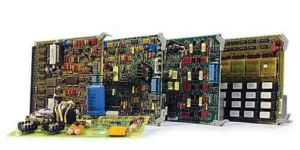
Key modules define the Mark VI hardware. The Control Module (UCPx) handles core logic. Input/Output (I/O) modules connect field devices. They manage signals from sensors and actuators. Furthermore, they process vibration and temperature data. The Human-Machine Interface (HMI) allows operator interaction. This interface offers real-time monitoring. These components work together seamlessly. This integration is vital for reliable operation.
Mark VI Versus Traditional Control Systems
Traditional PLC or older DCS systems lack this depth. The Mark VI provides specialized turbine control functions. It includes complex sequencing and fuel control. Moreover, it offers advanced diagnostics. This functionality is crucial for modern power generation. Older systems often require custom programming. The Mark VI provides proven, pre-engineered solutions. Therefore, it reduces engineering time and cost. It is a benchmark in control systems.
Implementing Mark VI in Factory Automation
The Mark VI extends beyond power plants. It finds applications in various factory automation settings. Processes requiring high-speed control benefit greatly. These include large compressors and critical pumps. Its robustness meets stringent industry standards. In addition, its fault tolerance is highly valued. This makes the Mark VI a versatile choice. Many engineers trust the GE name.
Maintenance and Long-Term Reliability
Proper maintenance is essential for Mark VI longevity. Regular software updates are necessary. Technicians must check I/O modules frequently. Moreover, documentation review keeps knowledge current. The TMR design inherently boosts reliability. However, component failures still occur. Therefore, a robust maintenance plan is crucial. This proactive approach saves significant costs. It prevents costly unplanned downtime.
Author’s Insight: The Digital Future of Turbine Control
I believe the Mark VI remains a strong platform. Its TMR structure sets an industry high bar. Newer systems, however, push further into digitalization. They incorporate more predictive maintenance tools. The integration of data analytics is now essential. Mark VI users should embrace these upgrades. This ensures continued peak performance. Staying current is key in evolving industrial automation.
Application Solutions and Component Selection
Choosing the right components is critical. Consider system size and redundancy needs. Powergear X Automation Limited offers expertise and spares. We specialize in Mark VI components.
Powergear X Component Spotlight and Comparison
Here are some critical Mark VI components. Understanding their roles aids selection:
| Model Number | Description | Primary Function | Redundancy | Key Differentiator |
| IS200EGDMH1A | Excitation Gate Drive Module | Drives SCRs for excitation control | Single | Core component for generator excitation control |
| IS420UCSBH4A | Unit Control Sub-System Board | Main processor board for core control logic | Triple (TMR) | High-performance TMR processor, critical for safety |
| IS420ESWBH1A | Ethernet Switch Board | Network communication within the control panel | Single | Basic network connectivity for control panels |
| IS420ESWBH3A | Enhanced Ethernet Switch Board | Advanced network and communication features | Single | Improved throughput and potentially more ports |
| IS420UCSBS1A | Unit Control Sub-System Board | Main processor board, often non-TMR or Simplex | Single | Alternative processor for non-critical or Simplex systems |
Need Mark VI parts or expert support?
Click here to explore Powergear X Automation Limited‘s full range of GE Speedtronic Mark VI products and solutions.