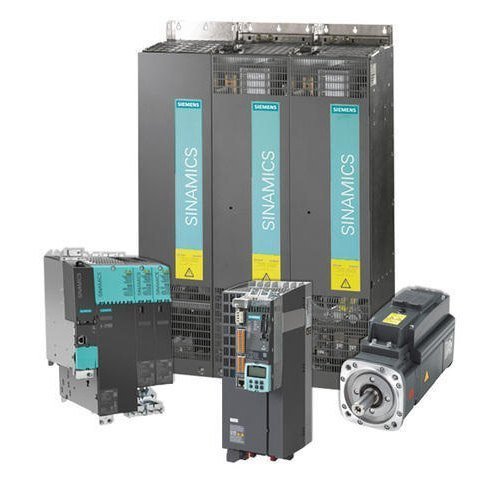
The Siemens 6SL3100 line module is the unsung hero of the SINAMICS S120 drive system.
This component serves as the power heart, converting incoming AC mains power into the critical DC link voltage. The DC link then supplies power to all connected motor modules. Sizing the 6SL3100 correctly ensures peak performance, energy efficiency, and reliable uptime in any industrial automation setup. Mismanagement of this sizing decision, however, directly jeopardizes your entire production line.
Powergear X Automation Commentary on 6SL3100 Selection
Selecting the right line module is a foundational decision in designing robust control systems. Our experience at Powergear X Automation shows that inadequate sizing is a leading cause of premature drive failure and unnecessary downtime. The 6SL3100 series offers versatility, from high-speed packaging machines to heavy-duty factory automation in metals processing. Making the right choice is essential for smooth, cost-effective production.
Understanding Regenerative vs. Non-Regenerative Architectures
The first step in selection is defining the system’s braking demand. This fundamental choice significantly impacts overall energy consumption and heat generation.
Non-Regenerative (Basic Line Modules): These simply convert AC to DC. They are the ideal choice for applications with stable loads and minimal braking or deceleration. Examples include continuous conveyors, simple pumps, and fans. They dissipate braking energy as heat, usually through external braking resistors.
Regenerative Line Modules: These sophisticated units return excess braking energy back to the plant’s mains grid. This dramatically reduces heat output and eliminates the need for large, costly external brake resistors. Regenerative technology is essential for high-dynamic applications. Consider them for robotics, frequent start/stop systems, metal forming, and critical winding/unwinding processes. MarketsandMarkets reports show regenerative drives significantly improve energy profiles in industrial settings.
Decoding the SINAMICS 6SL3100 Part Number
Navigating the ordering process requires understanding the specific part number structure. The 6SL3100 code is a comprehensive technical signature.
Example Part Number Breakdown: 6SL3100-0BE31-2AB0
| Code Segment | Meaning | Technical Detail |
| 6SL | Drive Family | Siemens Drive Technology |
| 3100 | Series | Line Module for SINAMICS S120 |
| 0B | Capability Class | Defines Regenerative or Non-Regenerative function |
| E31 | Rating | Voltage class and total power capacity |
| 2AB0 | Variant | Specifies cooling method, hardware version, and design |
Understanding this code ensures you order the exact module your PLC or DCS application requires. This attention to detail prevents costly misorders and project delays.
The Critical Selection Guide: Voltage, Power, and Cooling
Proper specification of the 6SL3100 minimizes operational risk and maximizes efficiency.
Key Technical Considerations:
Voltage Class: This must precisely match the incoming plant mains supply (e.g., 400 VAC or 480 VAC). Mismatching voltages will result in immediate system faults.
Power Rating: Calculate the combined maximum load of all motor modules connected to the common DC bus. Size the line module with a safety margin to handle this cumulative peak power demand.
Cooling Method: Standard cabinets utilize air-cooled modules. However, compact enclosures or harsh, dusty environments demand the use of liquid-cooled units for reliable heat dissipation.
Format Factor: Choose between Booksize (slim, vertical orientation) or Chassis (larger, high-power) formats to fit specific cabinet space and layout constraints.
Proactive Maintenance and Troubleshooting Techniques
Effective industrial automation relies on minimizing unexpected faults. Based on our field experience, the 6SL3100 series exhibits a few common, easily resolved fault codes.
Common 6SL3100 Faults & Solutions:
F3001 (Overvoltage): This often happens during rapid deceleration. The DC link voltage spikes because the line module cannot handle the excess energy.
Solution: For non-regenerative systems, ensure brake resistors are correctly sized. For high-dynamic systems, the lasting solution is upgrading to a regenerative line module.
F3002 (Undervoltage): This typically indicates an unstable mains supply or a loose electrical connection.
Solution: Verify the stability of the plant mains. Tighten all mains power lugs and check fuse or circuit breaker integrity.
F3003 (Overtemperature): This is a hardware issue, often caused by blocked ventilation paths or a failed internal fan.
Solution: Schedule quarterly cabinet cleaning to remove dust and debris. Verify that all fan health indicators are green during preventative maintenance.
Preventative Tips: Keep air paths clear, schedule firmware updates according to Siemens recommendations, and inspect all electrical connections during planned downtime.
Acquisition and Stocking Strategies for Uptime
High-value components like the 6SL3100 require intelligent procurement planning. Lead times can fluctuate, especially for high-power regenerative models.
Plan Ahead: Consult your supplier early. High-power or specialty 6SL3100 units may have extended lead times of several weeks or even months.
Critical Spares: For any critical production line, stocking one spare 6SL3100 is a highly recommended practice. The cost of a spare module is minimal compared to the loss of thousands of dollars per hour of unscheduled downtime.
Compatibility Check: Always cross-verify the voltage, power, cooling, and regeneration type against your existing S120 control systems configuration before finalizing an order.
Application Case Study: High-Dynamic Spindle Control
A textile company struggled with frequent brake resistor failures on its winding/unwinding station using a basic line module. The frequent stop/start cycles generated massive amounts of heat.
Solution Scenario:
We replaced the non-regenerative 6SL3100 with a regenerative model. This upgrade eliminated the need for the brake resistors entirely. The braking energy was efficiently fed back into the grid, resulting in:
30% reduction in cabinet cooling load.
Zero brake resistor-related failures.
A measurable decrease in monthly energy consumption.
This showcases the economic and operational value of selecting the correct regenerative technology.
Frequently Asked Questions (FAQ)
Q1: What is the main operational difference between a Basic Line Module (non-regenerative) and an Active Line Module (regenerative)?
The Basic Line Module is only a rectifier, converting AC to DC. An Active Line Module (ALM) uses IGBTs and advanced control to not only rectify power but also actively manage the DC link and return excess power (regeneration) to the grid, leading to better power quality and energy savings.
Q2: My S120 drive system keeps tripping on F3003 (Overtemperature) only during the summer months. What is the most likely non-module-related issue?
This is typically an environmental issue combined with system stress. Check if the cabinet air conditioner or heat exchanger is properly maintained and sized for the peak ambient temperature. Dust accumulation on cooling fins reduces heat exchange efficiency, causing the internal fan to run continuously and eventually fail, or simply be unable to handle the heat load.
Q3: We are integrating a new 6SL3100 module into an existing S120 system. What is one critical step an experienced technician should take before powering up the drive for the first time?
Beyond standard wiring checks, the technician must verify the firmware version of the new line module is compatible and aligned with the version running on the Central Control Unit (CU). DRIVE-CLiQ communication errors (F3004) often result from firmware mismatches, and a quick check and necessary update will prevent hours of frustrating troubleshooting.
Conclusion
The Siemens 6SL3100 line module is the power foundation of the SINAMICS S120 system. Specifying the correct voltage class, power rating, cooling, and regeneration technology is a direct investment in efficiency, lower operating costs, and maximizing system uptime.
For a comprehensive consultation on 6SL3100 selection and S120 system integration, we invite you to explore the expertise offered by Powergear X Automation. Click here to visit Powergear X Automation and learn more about optimizing your industrial automation solutions.